

For decades, weight loss has been presented like a simple math equation: calories in minus calories out. Eat less, move more, and the scale should obey. Yet many people experience the same frustrating cycle: strict dieting works briefly, then progress stalls, hunger ramps up, energy drops, and weight creeps back. This guide breaks down Why "Eat Less, Move More" Fails: The New Science of Sustainable Weight Loss by focusing on what actually drives long-term results: hormones, appetite, sleep, stress, muscle mass, and the environment you live in.
Small, consistent changes compound faster than occasional intensity.
First: energy balance is real, but it’s not the whole story
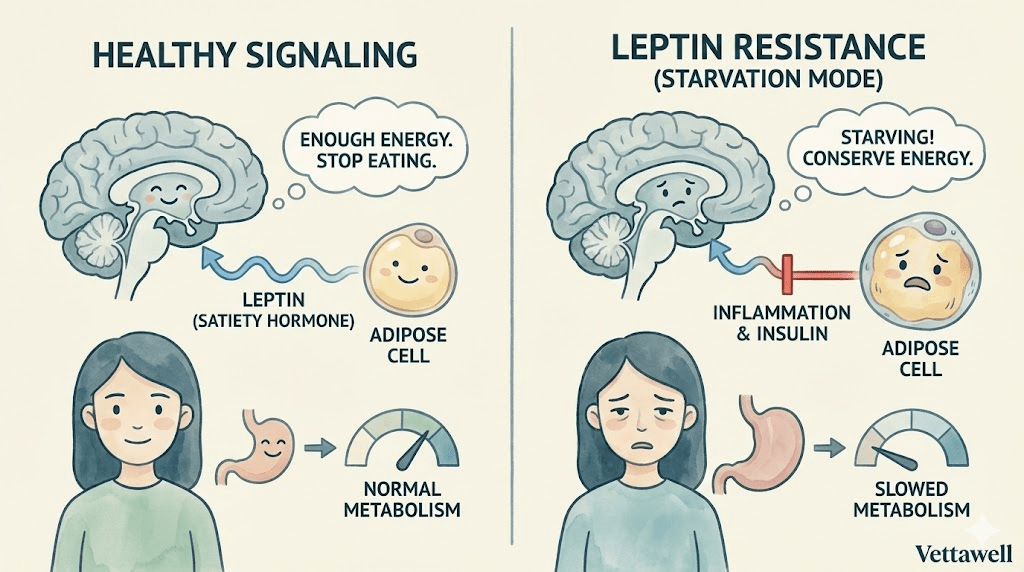
Energy balance matters—your body can’t lose tissue without using stored energy. The problem is that “eat less, move more” assumes your body is a passive calculator. It isn’t. Your brain and hormones continuously adjust appetite, cravings, and energy expenditure to keep you alive. When you cut calories aggressively, the system doesn’t interpret it as “a plan.” It interprets it as threat.
- Hunger signaling increases (food becomes harder to ignore).
- Satiety signaling weakens (meals feel less satisfying).
- Resting energy burn can decline as the body conserves fuel.
- Spontaneous movement drops (you fidget less, walk less, feel less driven to move).
- Cravings intensify—especially for calorie-dense, ultra-palatable foods.
So the issue isn’t that calories don’t count. It’s that your biology often makes a sustained deficit feel unbearable unless you build a system that supports appetite control, muscle retention, and recovery.
The metabolic adaptation trap
When you drastically cut calories, your body doesn’t know you want to fit into a smaller pair of jeans; it reads the signal as scarcity. In response, it can enter metabolic adaptation—a survival-oriented shift that makes weight loss progressively harder. Your resting metabolic rate may decrease, and appetite signals tend to get louder. It becomes a “perfect storm”: you burn less and want more.
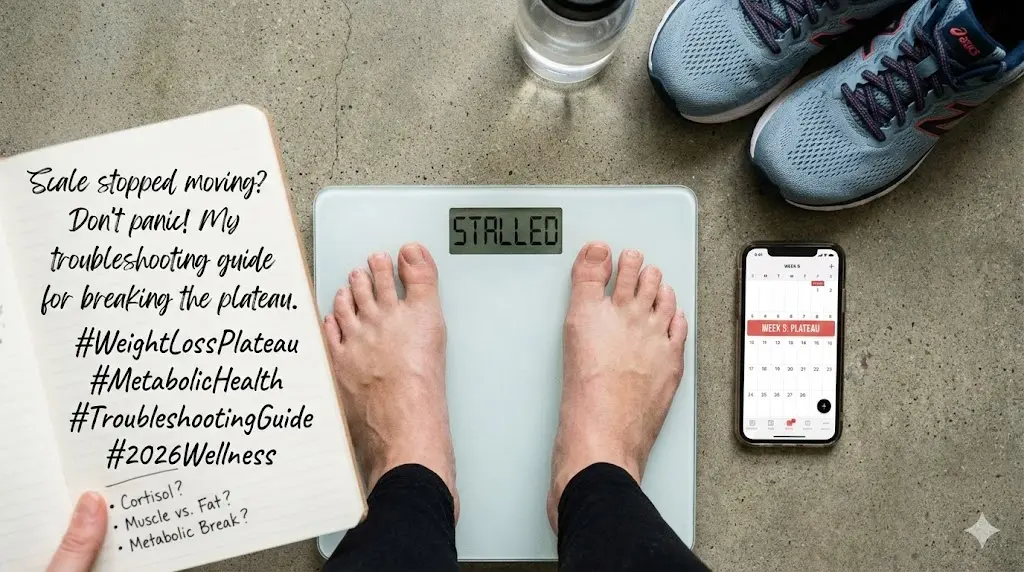
- You’re following the plan, but the scale is stalled for weeks and you feel increasingly drained.
- Hunger feels urgent, not mild—especially at night.
- Sleep quality worsens while cravings increase.
- Workouts feel harder and recovery takes longer.
- You’re thinking about food far more than you used to.
The fix usually isn’t “try harder.” The fix is building a deficit you can sustain while protecting lean mass and reducing appetite pressure—often by improving food quality, increasing protein, strengthening routines, and lowering stress load.

Quality over quantity: why food type changes appetite
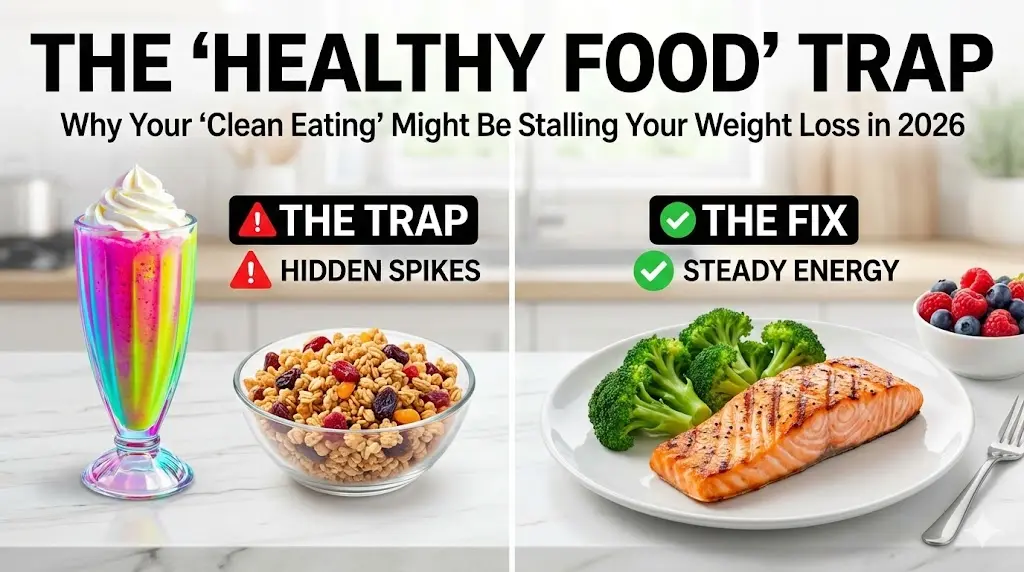
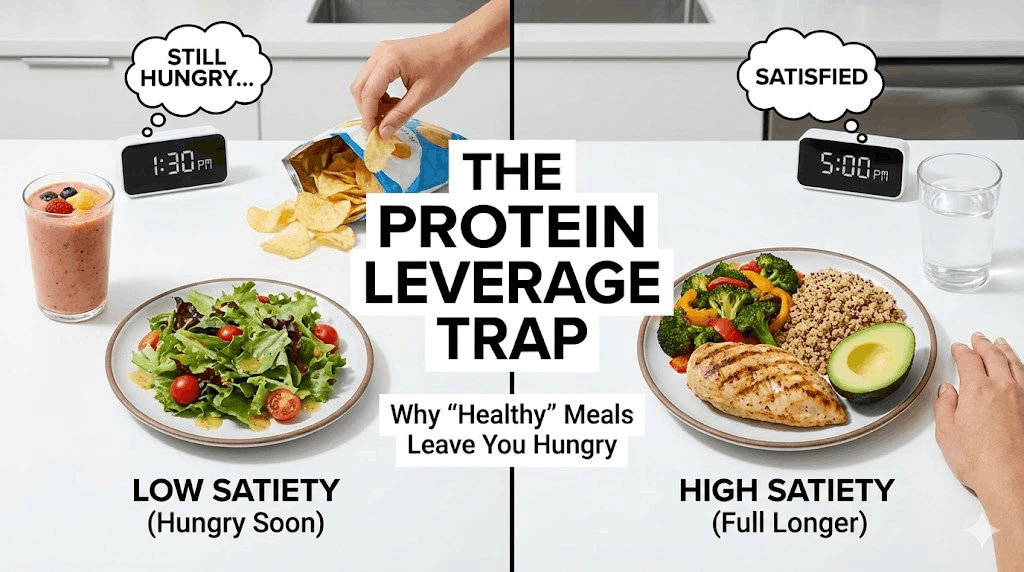
A major blind spot of “eat less” is that not all calories influence hunger the same way. Highly processed foods are engineered to be easy to overeat. They digest quickly, spike hunger rebound, and often provide less fiber and protein—the two nutrients most associated with fullness. Meanwhile, whole foods tend to be more filling per calorie because they require more chewing, contain more water and fiber, and generally come with a better nutrient profile.
Some researchers (including endocrinologist Dr. David Ludwig) argue that we often misread cause and effect: we don’t simply gain fat because we overeat; we may overeat because fat storage and blood-sugar dynamics can leave the body feeling fuel-deprived, which pushes hunger upward. In practice, the actionable takeaway is less philosophical and more practical: stabilize appetite by choosing foods that keep you full.
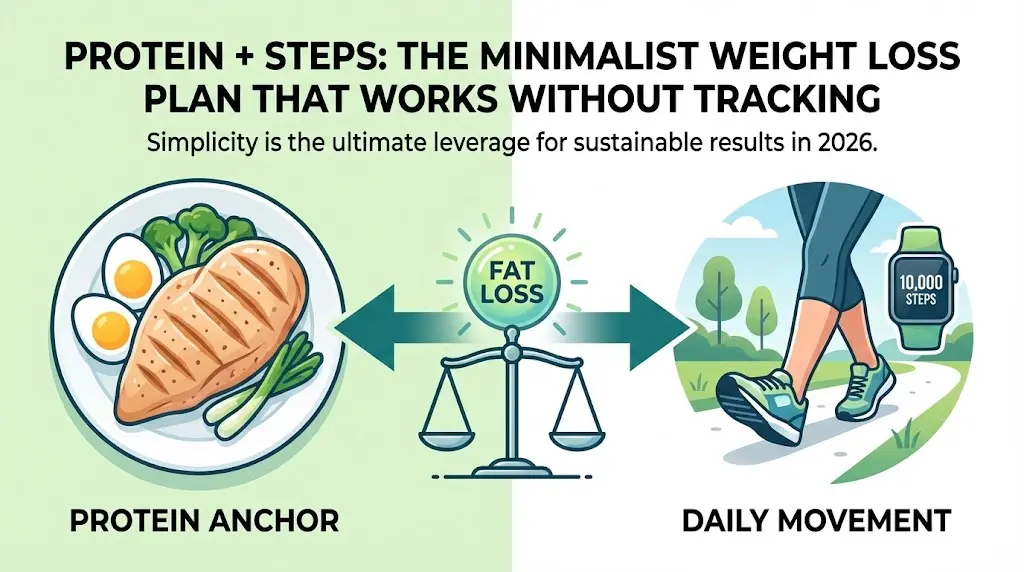
- Protein first: helps preserve lean mass and tends to increase satiety.
- Fiber second: vegetables, legumes, berries, whole grains (as tolerated) for fullness.
- Healthy fats: improve satisfaction and help meals “stick.”
- Carbs with structure: prioritize minimally processed sources over sugar-heavy snacks.
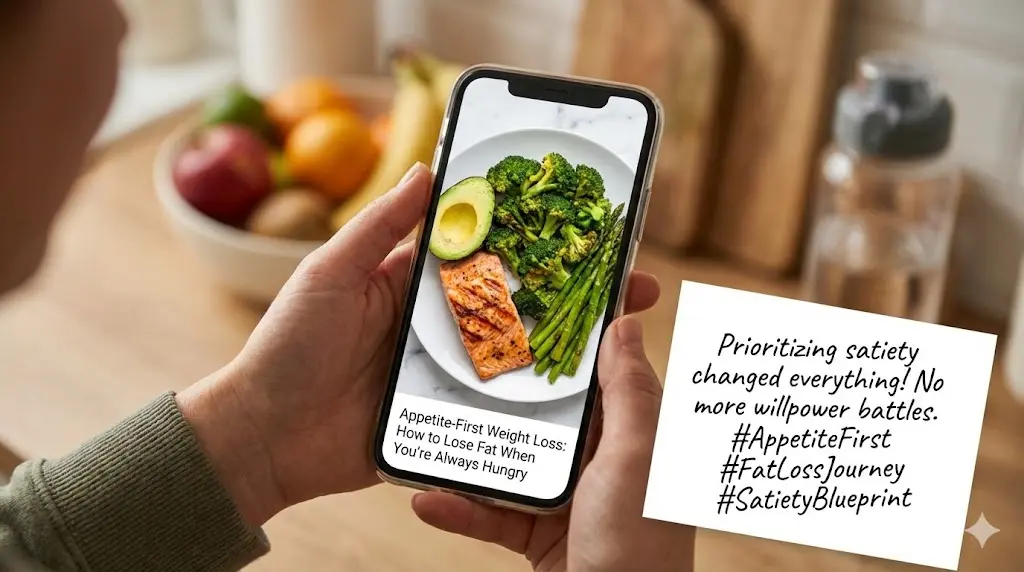
Sustainable fat loss is less about fighting hunger and more about designing meals that keep hunger quiet.
The missing pillars: sleep and stress
Weight loss is often treated as a nutrition + exercise problem, but sleep and stress can quietly determine whether your plan is livable. When sleep is short or fragmented, appetite tends to rise, cravings intensify, and impulse control gets weaker. Chronic stress can increase the drive to snack for comfort and may push the body toward energy conservation.
- Cortisol and stress eating: persistent stress can increase cravings and make “willpower” unreliable.
- Sleep restriction: often increases desire for high-calorie, highly palatable foods.
- Recovery: poor sleep reduces training quality, which affects muscle maintenance.
- Decision fatigue: the more stressed and tired you are, the harder consistent choices become.
If you’re trying to lose weight while under-sleeping and over-stressing, you’re effectively doing it with the brakes on. A sustainable plan treats sleep and stress as inputs, not afterthoughts.
Building the engine: muscle, NEAT, and the long game
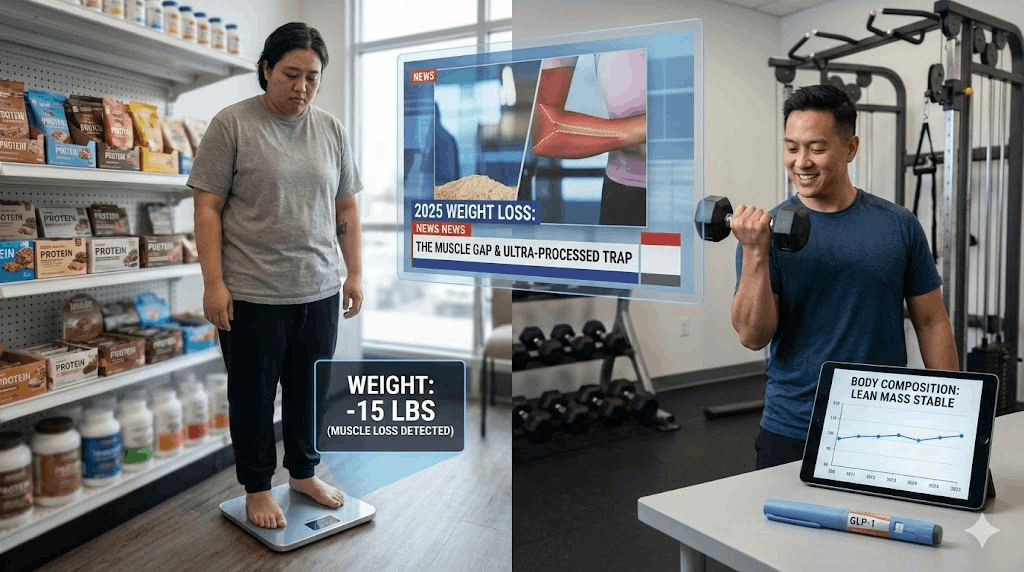
Cardio burns calories during the activity, but strength training does something more strategic: it helps protect and build muscle tissue, which is metabolically active. Preserving lean mass is one of the most underappreciated levers in long-term weight management. The goal isn’t to become a bodybuilder; it’s to build an “engine” that supports your metabolism and makes maintenance easier.
Just as important is NEAT (non-exercise activity thermogenesis): walking, standing, chores, and all the movement that isn’t a formal workout. When people diet, NEAT often drops without them noticing—another reason “move more” can fail when it’s framed as punishment instead of lifestyle design.
- Strength training 2–4 times per week (progressive, manageable, consistent).
- Daily walking as a default (short walks after meals can be especially practical).
- Designing movement into your day: stairs, errands on foot, stand-up calls.
- Prioritizing recovery: sleep, protein, and rest days to prevent burnout.
A sustainable path forward: the 4-part framework
The new paradigm isn’t deprivation—it’s nourishment and metabolic flexibility. Instead of chasing intensity, build a system that you can repeat on your worst week. If you have medical conditions, take medications that affect appetite/weight, or have a history of disordered eating, it’s wise to work with a qualified clinician for personalized guidance.
- Stabilize meals: build 2–3 go-to breakfasts and lunches that are protein-forward and fiber-rich.
- Reduce ultra-processed friction: make the default snacks “boring but useful” (fruit, yogurt, nuts, cheese, cut veggies).
- Train for strength: pick simple movements you can progress gradually (squat/hinge/push/pull/carry).
- Protect recovery: set a bedtime target, reduce late-night scrolling, and add one stress downshift (walk, breathwork, journaling).
Common pitfalls that keep people stuck
- Going too hard too fast (a deficit that triggers rebound hunger and fatigue).
- Tracking everything perfectly for a week, then quitting when life gets messy.
- Treating workouts as punishment instead of skill-building and strength maintenance.
- Ignoring sleep and stress while expecting appetite to behave.
- Relying on “motivation” instead of designing an environment that supports the plan.
Practical next steps
- Prioritize protein at every meal to protect lean mass and reduce cravings.
- Add one daily walk (10–30 minutes) and keep it non-negotiable—but flexible.
- Strength train 2–3 times per week with a simple plan you can repeat for 8 weeks.
- Pick one sleep lever: a consistent bedtime, a caffeine cutoff, or a phone-out-of-bedroom rule.
- Do a “friction audit”: make healthy choices easier and high-calorie defaults slightly harder to access.
Quick checklist
- I have 2–3 protein-forward meals I can repeat without thinking.
- My plan includes strength training (not only cardio).
- I walk most days, even if it’s short.
- I’m sleeping enough to feel recovered most mornings.
- My environment supports my goals more than it sabotages them.