
The Willpower Trap: Why Traditional Dieting Fails the Hungry
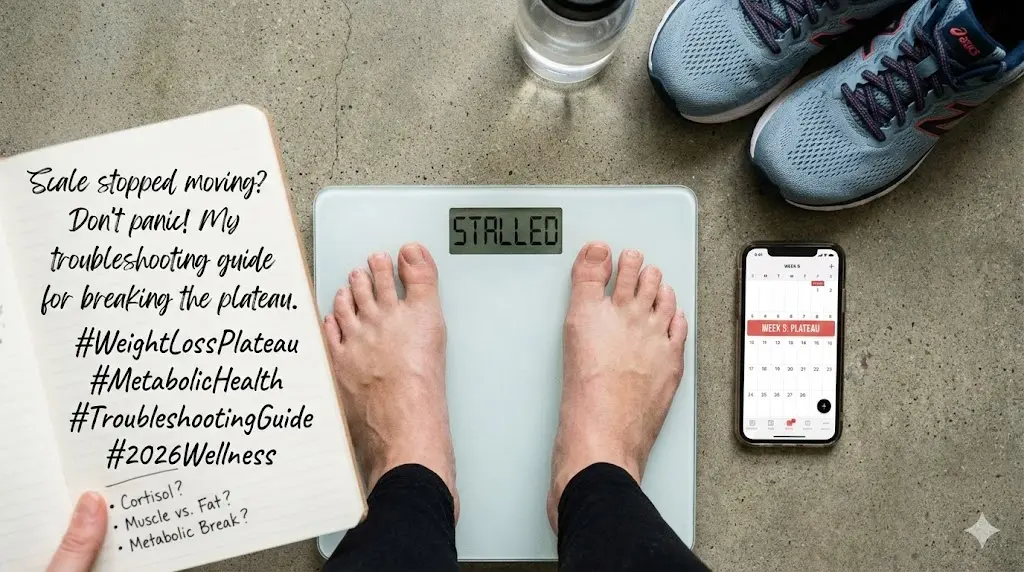
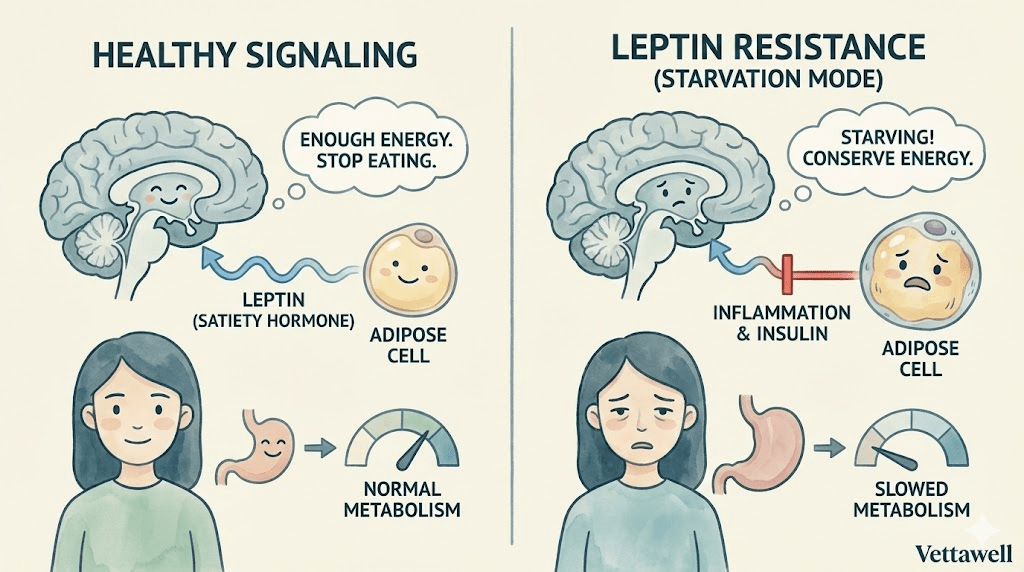
By the time we reached 2026, the global wellness community finally reached a consensus: the 'war on hunger' cannot be won through willpower alone. For decades, the standard advice for fat loss was to simply 'eat less and move more,' an instruction that sounds logical on a spreadsheet but fails miserably in the reality of human biology. When you restrict calories without addressing the signals that drive your appetite, you aren't just fighting a habit; you are fighting millions of years of evolution designed to keep you alive during a famine. If you are always hungry, your brain perceives a state of emergency, and eventually, the brain always wins.
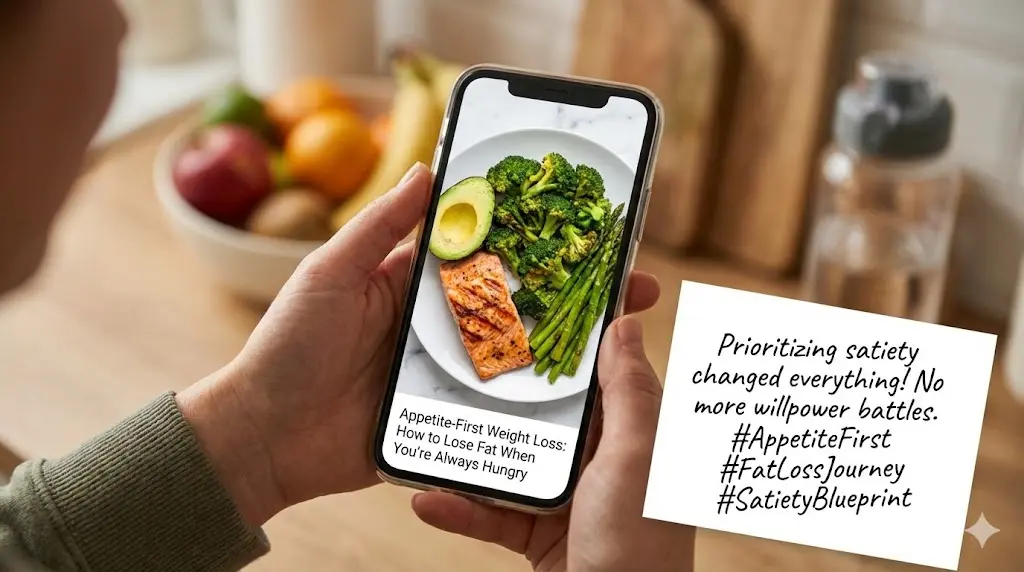
Appetite-First Weight Loss is a paradigm shift. Instead of viewing hunger as an obstacle to be overcome, we view it as a biological data point that must be resolved. The core philosophy is simple: Hunger is not a character flaw; it is a biological request. If we provide the body with the specific signals it needs to feel 'safe' and 'full,' the caloric deficit required for fat loss becomes a natural, effortless side effect rather than a daily struggle. To lose fat permanently, we must stop restricting and start communicating with our nervous system through the language of satiety.
Willpower is like a battery; it drains throughout the day. Your biology is like a wall outlet; it’s always on. Stop trying to outrun your wiring.
The Five Drivers of Satiety: Tuning Your Biological Radio
To master your appetite, you must understand the five primary 'levers' that tell your brain to turn off the hunger alarm. In 2026, we categorize these as Satiety Drivers. When these five factors are present in a meal, your brain receives a clear signal of abundance, allowing your metabolism to switch from 'survival/storage' mode into 'maintenance/burning' mode.
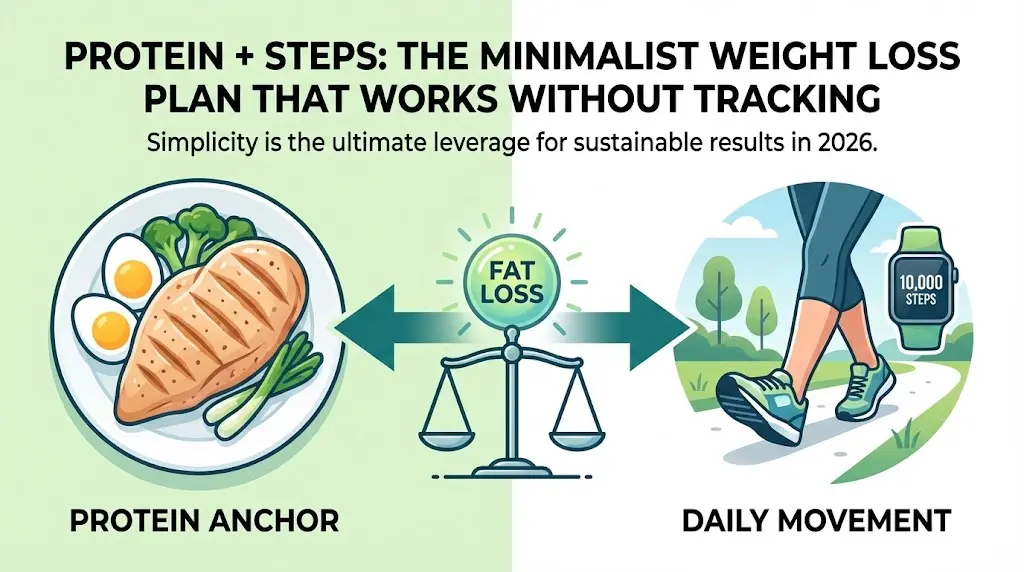
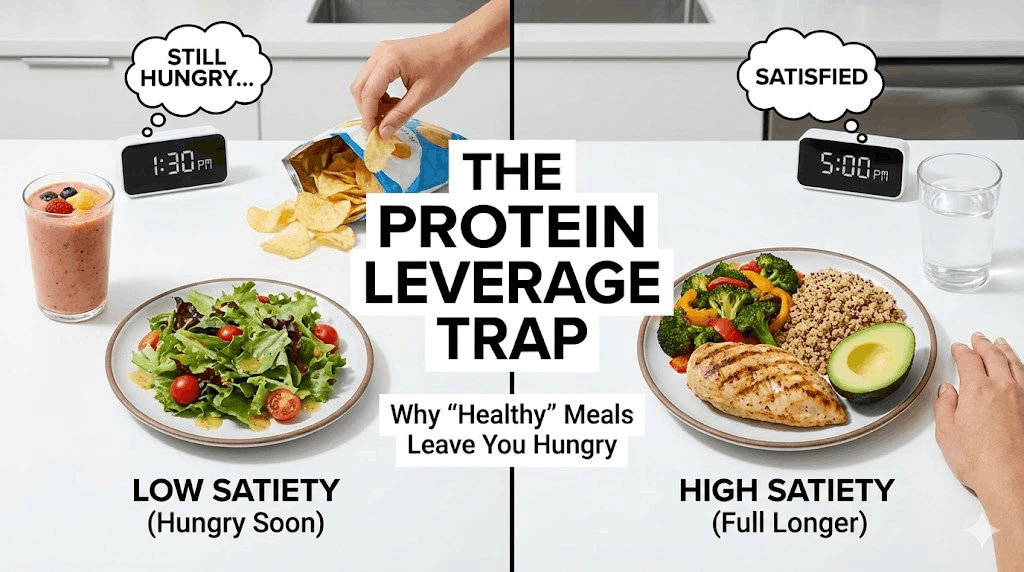
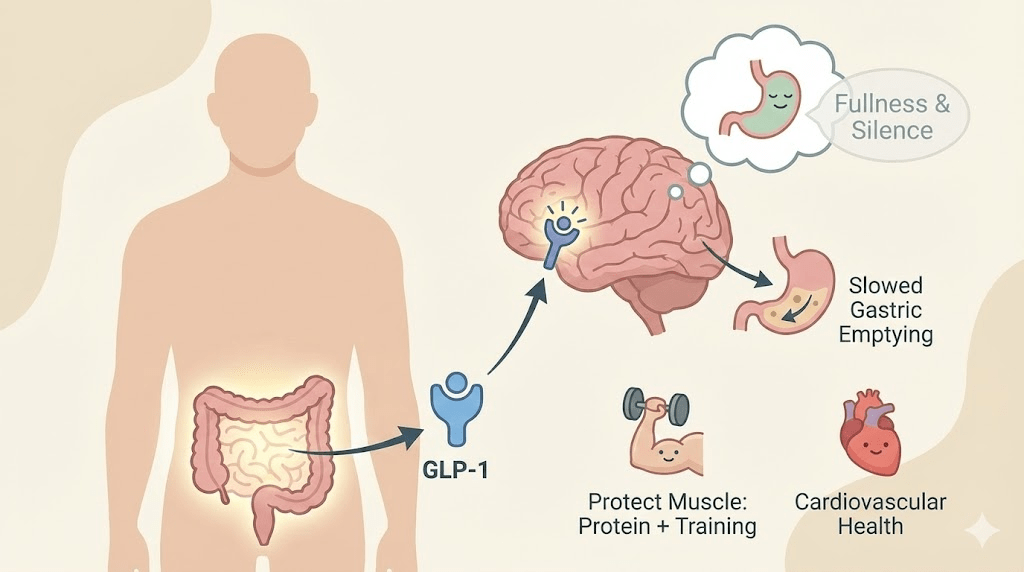
As established by the Protein Leverage Hypothesis, humans have a dominant drive to consume a specific amount of protein. Protein is the most satiating macronutrient because it triggers the release of PYY and GLP-1—the hormones that tell your brain you are full. If a meal lacks adequate protein density, your 'protein sensor' remains active, driving you to keep eating in search of the missing amino acids. By anchoring every meal with 30-50 grams of protein, you provide the 'lumber' your body needs, effectively silencing the most persistent form of hunger.
Your stomach contains mechanoreceptors that monitor physical distension. When the stomach walls stretch, they send an immediate 'full' signal to the vagus nerve. This is why volume matters. By consuming high-volume, low-energy-density foods—primarily non-starchy vegetables—you can physically fill the stomach and trigger satiety without an excessive caloric load. Satiety is the gatekeeper of fat loss, and gastric stretch is the first line of defense.
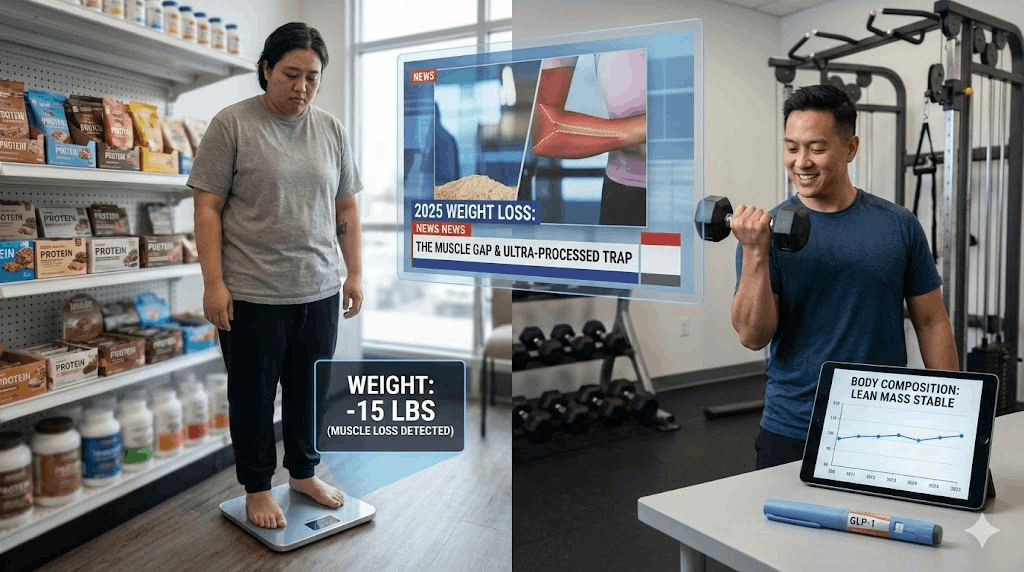
Energy density refers to the number of calories per gram of food. Ultra-processed foods are engineered to be hyper-dense, providing thousands of calories in a small volume that barely triggers your stretch receptors. Appetite-first weight loss prioritizes 'wet' and 'fibrous' foods. A pound of potatoes has fewer calories than a handful of crackers, yet the potatoes will keep you full for hours while the crackers will leave you looking for the next snack within thirty minutes.
When blood sugar spikes and then crashes, the brain interprets the rapid drop as a fuel crisis, triggering 'emergency hunger' or cravings for sugar. By flattening the glucose curve—achieved by eating fiber and protein before carbohydrates—you maintain stable energy. Stability is the ultimate performance enhancer, both for your brain and your fat-burning machinery.
Industrial food is designed at the 'Bliss Point'—the perfect mix of salt, sugar, and fat that bypasses your brain's brakes. To regain control, we must move toward 'Whole Food Palatability.' When you eat real, single-ingredient foods, your brain's natural stop-signals work correctly. You can't overeat plain boiled eggs the way you can overeat a bag of flavored chips.
What Most People Get Wrong: The 7 Deadly Sins of the Hungry Dieter
In our clinical observations throughout 2025 and 2026, we have identified seven common mistakes that keep the 'always hungry' individual trapped in a cycle of failure. If you are doing any of these, you are accidentally signaling to your brain that you are starving.
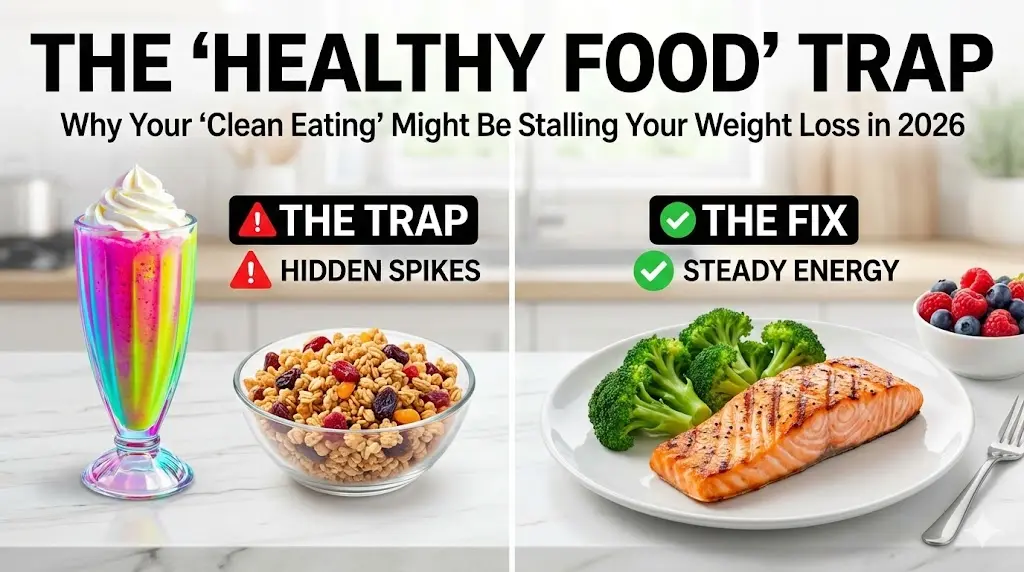
- Drinking Your Calories: Liquids do not trigger gastric stretch receptors the same way solids do. A 500-calorie smoothie is processed by the brain as a 'snack,' while 500 calories of solid food is a 'meal.'
- The 'Low-Fat' Trap: Fat slows down gastric emptying. By removing all fat, you speed up digestion, leading to a rapid return of hunger.
- Ignoring Fiber Density: Fiber is the 'security guard' of your gut. Without it, sugar enters the blood too fast, causing the glucose rollercoaster.
- The Protein-Free Breakfast: Skipping protein in the morning sets a 'high-hunger' tone for the rest of the 24-hour cycle.
- Over-Reliance on Cardio: Extreme steady-state cardio can skyrocket Ghrelin (the hunger hormone) in many people, leading to 'revenge eating' later in the day.
- Hyper-Palatable 'Diet' Foods: Low-calorie snacks that use artificial sweeteners and flavor enhancers still keep your brain addicted to the 'Bliss Point' dopamine hit.
- Under-Sleeping: Lack of sleep is a metabolic emergency. It lowers Leptin and raises Ghrelin, making it biologically impossible to ignore cravings.
The Plate Blueprint: Templates for Effortless Satiety
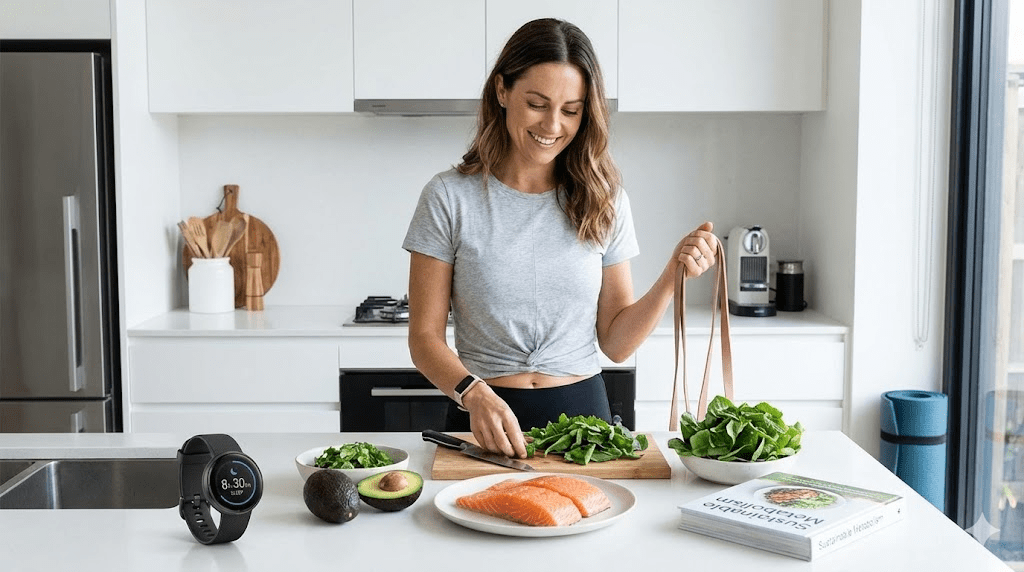
To make fat loss automatic, we use a repeatable structure. You don't need a different recipe every day; you need a consistent framework that ensures all five satiety drivers are present at every meal. Here are three non-prescriptive templates to help you build your own 'Satiety Shield.'
Goal: Anchor protein and stabilize the glucose curve for the day. Structure: 35g+ Protein, 10g+ Fiber, Moderate Fat.
- Option A: 3-4 pasture-raised eggs scrambled with 2 cups of spinach and a side of smoked salmon or Greek yogurt.
- Option B: A 'Satiety Bowl' with 1.5 cups of cottage cheese, half a cup of berries, and a tablespoon of chia seeds or crushed walnuts.
- Option C: Leftover lean steak or chicken from dinner, served over a bed of sautéed greens and half an avocado.
Goal: Trigger gastric stretch while maintaining high protein density. Structure: 50% of the plate as non-starchy vegetables, 25% as lean protein, 25% as whole-food carbohydrates/fats.
- The Big Bowl Template: Start with a massive base of mixed greens or steamed broccoli. Add 6-8 oz of grilled chicken, shrimp, or tofu. Top with a 'texture' fat like pumpkin seeds or a small amount of feta cheese. Use vinegar or lemon as the primary dressing.
- The Hot Plate Template: Roast a large tray of zucchini, bell peppers, and asparagus. Serve with a large fillet of white fish or lean beef. Add a small 'strategic' carb like half a baked potato or a cup of berries for dessert.
- The Stew/Soup Template: A protein-heavy chili or vegetable soup. The high water content in soups is a potent driver of satiety because it increases the volume of the meal without adding calories.
Fat loss is a side effect of a body that feels safe and satiated. When the cells are fed, the cravings fade.
A 7-Day Satiety Experiment: The 'No-Tracking' Reset
Instead of counting every calorie, try this 7-day experiment to recalibrate your internal hunger signals. The goal is to prove to your brain that it is in an environment of abundance.
Day 1-3: The Protein Anchor. Focus solely on ensuring you have 35g of protein at every single meal. Don't worry about anything else. Notice how your desire for 'night-time snacking' begins to diminish.
The Satiety Audit: A Framework for Evaluation
If you find yourself reaching for a snack an hour after eating, use this simple code-style logic to determine where your meal failed. This 'Satiety Audit' will help you adjust your next plate for better results.
Conclusion: Reclaiming Your Biological Peace
Fat loss doesn't have to be a battle of attrition. When you prioritize appetite first, you are showing your body the respect it deserves. By addressing the protein leverage, triggering the stretch receptors, and stabilizing your blood sugar, you remove the 'threat' of starvation that causes your brain to sabotage your efforts.
In 2026, we know that a healthy metabolism is a quiet metabolism. It is a state where you think about your work, your family, and your passions—not your next meal. Start your 'Appetite-First' journey today by choosing the 'Protein Anchor.' When you feed your biology, your biology will finally allow you to reach your goals.
Sources
- Simpson, S. J., & Raubenheimer, D. (2025). The Protein Leverage Hypothesis and Modern Obesity.
- Holt, S. H., et al. (1995/Updated 2026). A Satiety Index of Common Foods.
- Ludwig, D. S. (2026). The Carbohydrate-Insulin Model and the Vagus Nerve.
- Guyenet, S. J. (2025). The Hungry Brain: Outsmarting the Instincts That Make Us Overeat.
Disclaimer: This article is for educational purposes only and does not constitute medical advice. Consult with a healthcare professional before making significant changes to your diet or exercise routine, especially if you have underlying health conditions.