

The Invisible Influx: Why Your Brain Doesn't 'Count' Liquid Energy
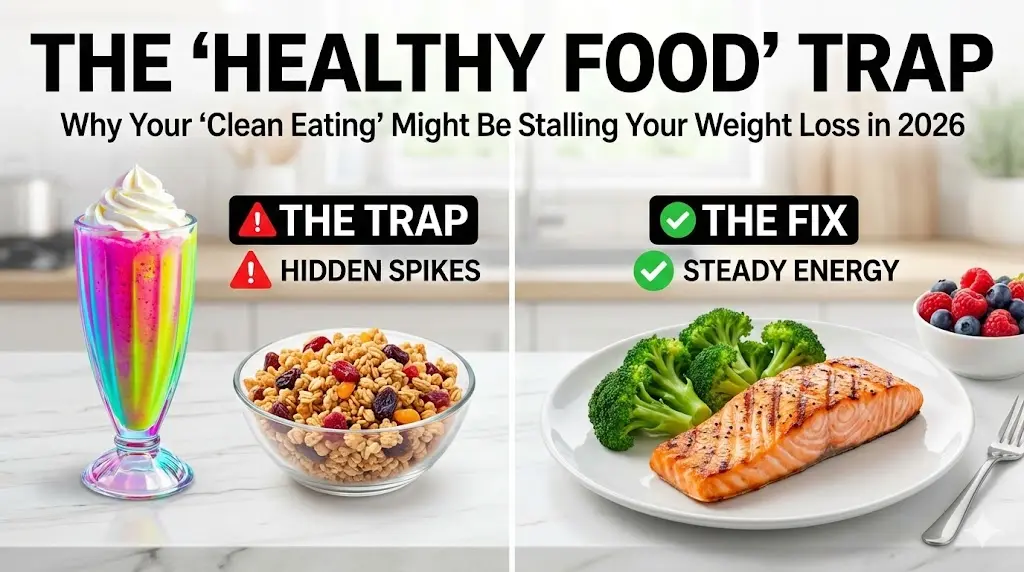
In the quest for metabolic health and weight loss in 2026, we have become experts at auditing our plates. We count the protein, we weigh the broccoli, and we obsess over the 'cleanliness' of our sourdough. Yet, for many, the scale remains stubbornly fixed. Why? Because while we are watching the front door of our kitchen, a massive amount of energy is sneaking in through the window in a glass. Liquid calories are perhaps the most insidious weight loss saboteur in the modern world. They are the 'invisible' influx—energy that our biology simply was not designed to recognize as fuel.
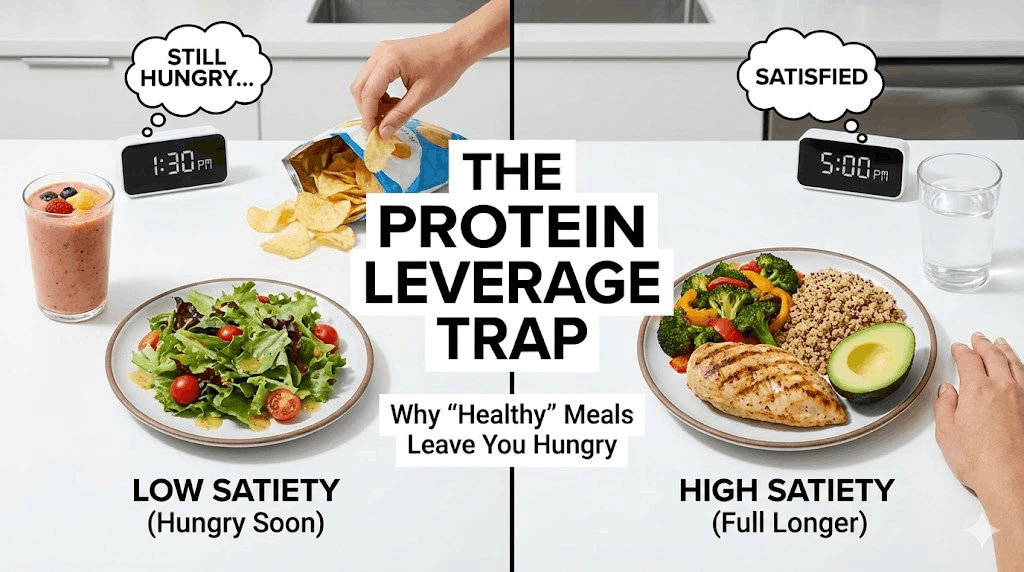
The fundamental problem is one of evolutionary biology. For millions of years, the only liquid humans consumed was water. Consequently, our brains never developed a robust mechanism to signal satiety in response to liquid energy. When you chew a steak or a fibrous apple, your brain receives multiple signals: the physical act of mastication, the release of saliva, and the rhythmic stretching of the stomach. This triggers a cascade of hormones like cholecystokinin (CCK) and peptide YY (PYY) that tell you to stop eating. Liquids, however, bypass the 'Cephalic Phase' of digestion. They slide down the esophagus and through the stomach with minimal resistance, offering almost zero satiety signaling. You can consume 500 calories of a mocha frappuccino and feel just as hungry ten minutes later as you were before, but your fat cells will certainly notice the delivery.
The Coffee Shop Sabotage: From Bean to Brownie
Let’s start with the morning ritual. We tell ourselves we are going for 'coffee,' but in 2026, the average coffee shop order is essentially a liquid brownie. A standard 'Venti' latte made with whole milk or—even worse for the glycemic index—oat milk, contains upwards of 250 calories before you even add a single pump of syrup. Add in the seasonal pumpkin spice, the caramel drizzle, or the vanilla pumps, and you are looking at 400 to 500 calories of pure, unadulterated liquid energy.
What most people get wrong here is the 'milk of choice' fallacy. Oat milk, while trendy and plant-based, is essentially liquid starch. It creates a significant glucose spike that triggers an insulin response, effectively locking your fat stores for the next several hours. Even 'unsweetened' almond milk, while lower in calories, offers no protein or fiber to buffer the caffeine-induced cortisol spike. If your coffee has a nutritional label similar to a dessert, it is no longer a wake-up call; it is a metabolic hand grenade thrown into your morning. To fix the coffee leak, we must return to the bean. Black coffee, or coffee with a modest splash of heavy cream or unsweetened macadamia milk, provides the caffeine benefit without the caloric burden.
The 'Healthy' Juice Trap: Nature's Candy Without the Brake
Juicing has long enjoyed a 'Health Halo' in the New Age community. We see a vibrant green or orange liquid and assume we are consuming a concentrated dose of vitality. In reality, juice is nature’s candy with the biological 'brake' removed. When you eat a whole orange, the sugar (fructose) is bound within a complex matrix of cellular fiber. It takes time for your gut to break that fiber down, leading to a slow, manageable release of sugar into the blood.
When you juice that orange, you discard the fiber and keep the sugar water. A single glass of orange juice requires three to four oranges. You would likely never sit down and eat four oranges in five minutes, but you can drink them in thirty seconds. This creates a massive fructose load that hits the liver directly. Unlike glucose, which every cell can use, fructose can only be processed by the liver. When the liver is overwhelmed by a liquid fructose bomb, it converts that sugar into triglycerides (fat) via a process called de novo lipogenesis. This is the fastest way to develop a fatty liver and stall weight loss. If you want the vitamins, eat the fruit. If you want the hydration, drink the water.
Smoothies: The Blender as a Metabolic Shortcut
Smoothies are often touted as the 'perfect' weight loss breakfast, but they frequently fall into the same trap as juices, albeit with a bit more fiber. The issue is mechanical. By pulverizing the fruit and vegetables, the blender does the work of your teeth and your stomach's churning. This 'pre-digestion' means the food spends less time in the stomach, leading to a faster transit time and a quicker rise in blood sugar.
Furthermore, smoothies are a 'calorie-dense' delivery system. It is remarkably easy to toss in a banana, a cup of berries, two tablespoons of nut butter, a scoop of protein, and a splash of coconut water. Individually, these are fine. Together, they represent 600 to 800 calories that are consumed in a matter of minutes. Because you aren't chewing, your brain never receives the signal that it has been fed. Many people find themselves reaching for a 'real' lunch just two hours after their 'healthy' morning smoothie. If you must use a smoothie, it should be a 'Satiety Smoothie'—focused on protein and greens, with minimal fruit and a source of solid fiber like chia or flax seeds to slow down digestion.
Alcohol: The Fat-Burning Pause Button
Alcohol is the ultimate double-whammy in the liquid calorie audit. First, there are the calories in the alcohol itself (7 calories per gram) and the mixers (sugar, juice, soda). A single margarita can clock in at 500 calories—nearly 25% of the average person's daily requirements. But the caloric load is actually the lesser of two evils. The real problem is how alcohol affects your metabolism.
Alcohol is a toxin. When it enters your system, your liver prioritizes its removal above all else. This means fat oxidation (fat burning) is put on a total 'pause.' As long as there is alcohol in your system, your body will not burn its own stored fat. To make matters worse, alcohol is a disinhibitor. It lowers the executive function of the prefrontal cortex, making that 11:00 PM pizza delivery seem like a brilliant idea. You aren't just consuming liquid calories; you are turning off your fat-burning machinery and your decision-making abilities simultaneously. If weight loss is the goal, alcohol should be treated as a rare 'identity-shifter' rather than a weekend staple.
Sports Drinks and 'Vitamin' Waters: Paying for Sugar and Marketing
In 2026, the marketing of 'functional' beverages is at an all-time high. We see athletes drinking neon-colored liquids and assume that we, too, need 'electrolytes' after a 30-minute walk. Most sports drinks are essentially sodas with a pinch of salt and a better PR department. Unless you are an elite athlete training for two hours in high humidity, you do not need a sugar-based electrolyte drink. You need water and perhaps a pinch of sea salt.
Vitamin waters are another notable offender. They take water, add a dash of vitamins that you could easily get from a single bite of spinach, and then add 30 grams of sugar to make it palatable. We buy them because they feel like 'health insurance,' but they are actually 'metabolic interference.' Always check the label. If a drink has 'cane sugar,' 'fructose,' or 'agave' as a primary ingredient, it is a soda in a lab coat.
The Liquid Sauce Leak: Why Your Salad is Drowning
This is the 'Spot the Leak' portion of our guide that most people overlook. You can build the most perfect, protein-rich, vegetable-dense salad, but if you drench it in a 'liquid' dressing, you have sabotaged the mission. Most commercial dressings are made with inflammatory seed oils and hidden sugars. Two tablespoons of a creamy ranch or a sweet honey mustard can add 150 to 200 calories. Most people use four tablespoons.
The same applies to sauces on your protein. BBQ sauce, teriyaki, and even some ketchups are liquid sugar. We don't view these as 'drinks,' but they act as liquid calories nonetheless. They provide an intense hit of dopamine-fueling sugar that keeps you craving more, without adding any satiety. To fix the sauce leak, move toward 'acid and herb' based flavorings. Lemon juice, apple cider vinegar, and high-quality extra virgin olive oil are the gold standard for metabolic health.
The 'What Most People Get Wrong' List
- The 'Natural' Sugar Myth: Thinking that sugar from honey, dates, or agave in a drink is 'healthier' than table sugar. Your liver treats them with the same urgency.
- The Diet Soda Paradox: Assuming zero-calorie sweeteners have zero metabolic effect. In many, they can still trigger an insulin response and disrupt gut bacteria.
- The 'Serving of Fruit' Fallacy: Believing a glass of apple juice is equivalent to an apple. It lacks the fiber, the chewing, and the satiety.
- The Milk Ignorance: Underestimating the caloric density of cow's milk or oat milk lattes. Milk is a growth fluid; it is designed to increase mass.
- Drinking for Hunger: Using a latte or a juice to 'tide you over' until lunch. The liquid sugar will actually make you hungrier an hour later due to the insulin crash.
- The Hydration Confusion: Mistaking thirst for hunger, then drinking a sugary beverage to solve the 'hunger,' which only adds calories without hydration.
- The Alcohol Disinhibition: Forgetting that the worst calories from alcohol are the ones you eat after you've had three drinks.
The Beverage Ladder: Your Practical Fix Guide
Fixing your liquid intake isn't about deprivation; it's about a strategic climb. Use the 'Beverage Ladder' to transition your habits from metabolic sabotage to metabolic support.
- Tier 1 (The Gold Standard): Filtered Water, Sparkling Water (unsweetened), Black Coffee, Herbal Teas (no honey).
- Tier 2 (The Better Options): Green Tea, Kombucha (under 5g sugar), Water infused with fresh cucumber/mint, Coffee with a splash of heavy cream.
- Tier 3 (The 'Proceed with Caution'): Freshly pressed green juice (mostly celery/cucumber), Protein shakes (low sugar/high fiber), Unsweetened Nut Milks.
- Tier 4 (The Saboteurs): Sodas, Energy Drinks, Fruit Juices, Syrupy Lattes, Cocktails, Sweetened Iced Teas.
The 7-Day Drink Audit: Spot the Leak Experiment
Ready to fix the leak? For the next 7 days, I invite you to conduct a 'Liquid Audit.' This isn't about changing your habits yet; it's about making the invisible, visible.
- Days 1-2: The Observation. Do not change what you drink. Simply write down every single liquid that passes your lips that isn't plain water. Note the time and why you drank it.
- Days 3-4: The Label Read. For every liquid you recorded, check the label or look up the nutritional data. Pay special attention to 'Total Sugars' and 'Calories.' Calculate the total liquid calories for the day.
- Day 5: The First Swap. Replace your highest-sugar drink with a Tier 1 or Tier 2 option from the Beverage Ladder. Note how your hunger levels change.
- Day 6: The Sauce Audit. Check the ingredients of your salad dressings and condiments. Swap one sugary sauce for lemon and olive oil.
- Day 7: The Reflection. Compare your energy levels and hunger on Day 7 to Day 1. Most people find that by removing just 300 liquid calories, their afternoon 'brain fog' disappears.
Conclusion: Reclaiming Your Metabolic Signal
The 2026 path to fat loss is not paved with struggle; it is paved with clarity. By auditing your liquid calories, you are removing the noise that prevents your body from hearing its own satiety signals. You are a biological system, not a calculator. When you stop flooding that system with liquid energy, it finally has the chance to look into its own 'battery'—your stored fat—and use it for fuel.
Fix the leak, climb the ladder, and let your water be your primary source of life. Your metabolism will thank you with steady energy, a sharper mind, and a scale that finally begins to move in the right direction.
Sources
- DiMeglio, D. P., & Mattes, R. D. (2025). Liquid versus solid carbohydrate: effects on food intake and body weight.
- Stanhope, K. L. (2026). Sugar-sweetened beverages and metabolic risk: a 2026 perspective.
- Nandakumar, P. (2025). Hormone Literacy: Decoding the Satiety Signals.
- Hall, K. D., et al. (2026). The impact of ultra-processed liquids on the glycemic index.
Disclaimer: This article is for educational purposes only and does not constitute medical advice. Consult with a healthcare professional before making significant changes to your diet, especially if you have underlying health conditions like diabetes or kidney issues.