
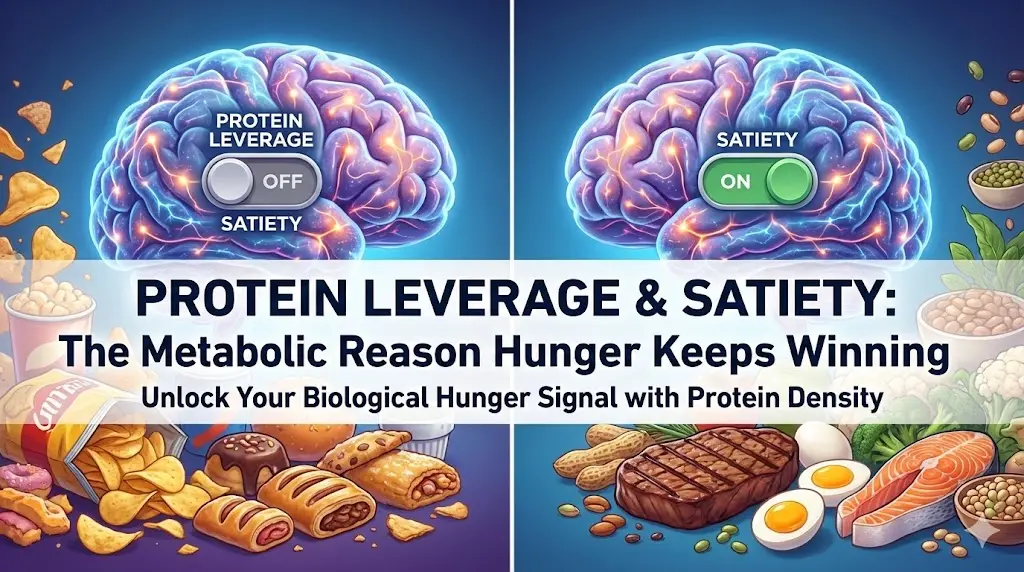
In the complex landscape of 2026, where digital health monitors track our every heartbeat and AI-driven apps analyze our sleep, a fundamental biological mystery remains at the center of the modern struggle: Why does hunger almost always win? We live in an era of unprecedented food abundance, yet the collective feeling is one of constant craving and metabolic dissatisfaction. For decades, we were told that weight management was a simple battle of willpower—a contest between the 'higher mind' and the 'basal urge.' However, as we dive deeper into the neurobiology of nutrition, we are discovering that hunger isn't a failure of character; it is a sophisticated survival signal driven by a phenomenon known as Protein Leverage.
The Protein Leverage Hypothesis (PLH), originally proposed by biologists David Raubenheimer and Stephen Simpson, suggests that the human body has a dominant biological drive to consume a specific amount of protein, regardless of how many calories from fats or carbohydrates it has to process to get there. In 2026, this concept has moved from the fringes of nutritional science into the heart of metabolic health optimization. We are finally beginning to understand that if your diet is low in protein density, your body will remain in a state of high-alert hunger until that protein requirement is satisfied, effectively 'leveraging' your appetite to force you to eat more until you find the amino acids your cells need to survive.
The Biological Imperative: Why Protein is Non-Negotiable
To understand why hunger keeps winning, we must understand what protein actually represents to the body. While fats and carbohydrates serve primarily as fuel sources—the 'gasoline' for your metabolic engine—protein is the 'lumber' and 'bricks.' Every enzyme, every hormone, every strand of DNA, and every muscle fiber is constructed from amino acids. Unlike fat, which we can store in near-infinite amounts, the body has no significant storage vault for amino acids other than our own structural tissue. When we don't eat enough protein, the body must 'cannibalize' its own muscle to maintain vital organ function.
Because of this, the human brain has evolved an incredibly sensitive 'protein sensor.' This sensor monitors the amino acid concentration in our blood and gut. When protein intake is insufficient, the brain increases the production of hunger hormones like Ghrelin while suppressing the satiety signals like PYY and GLP-1. In the nutrient-diluted environment of 2026, where ultra-processed foods are engineered to be low in protein but high in flavor and energy, our 'protein sensor' is constantly screaming for more, leading to the chronic overconsumption of calories in a desperate search for amino acids.
The Dilution Effect: How Modern Food Hijacks Satiety
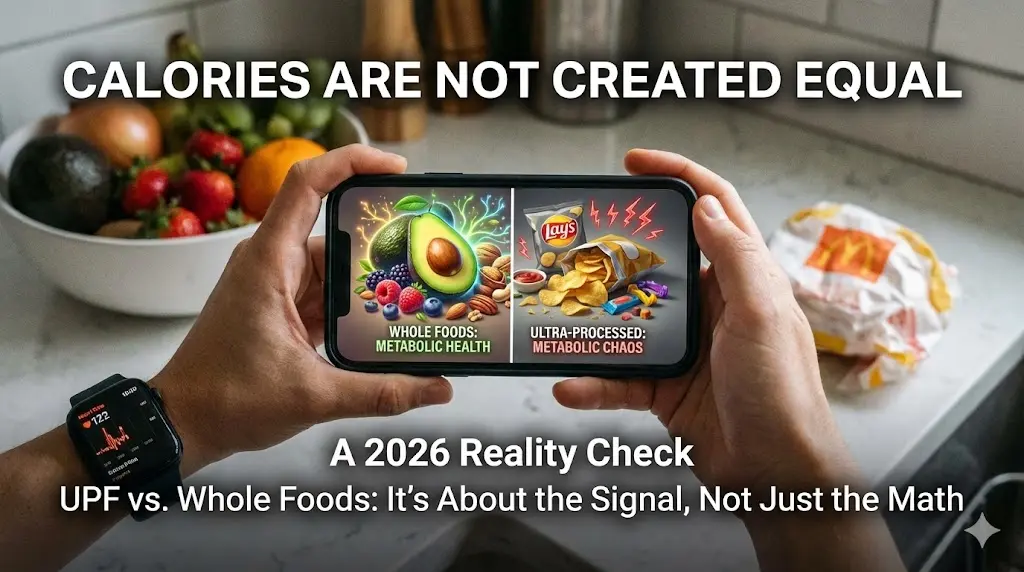
The crisis of modern metabolic health can be viewed as a massive 'protein dilution.' In nature, foods tend to have a balanced protein-to-energy ratio. However, the industrial food system has figured out how to strip protein away, replacing it with cheap, shelf-stable fats and sugars. When you eat a diet primarily composed of these 'protein-diluted' foods—such as chips, pastries, or even many modern 'healthy' snacks—your protein sensor remains unfulfilled.
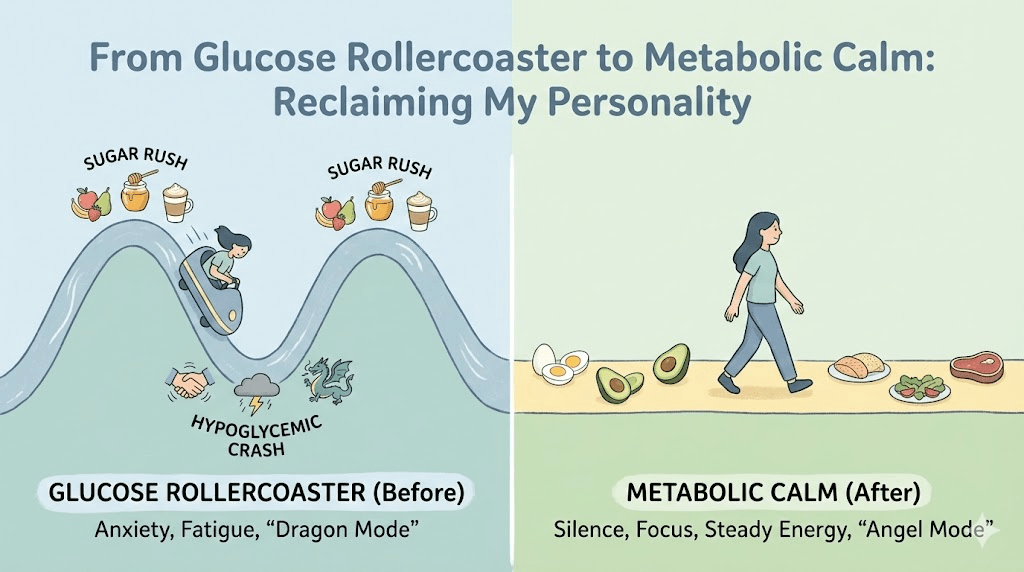
If your body requires 100 grams of protein a day to function, and you eat foods that are only 5% protein, you will have to consume 2,000 calories just to hit your protein goal. If you switch to foods that are 25% protein, you hit that same target in a fraction of the calories. This is the metabolic reason hunger keeps winning: your body is not counting calories; it is counting amino acids. Until it finds them, it will not turn off the 'drive to eat' signal. This is why you can eat 1,000 calories of crackers and still feel hungry, but 300 calories of steak or eggs leaves you feeling deeply satisfied for hours.
The Satiety Cascade: The Neurobiology of Fullness
Satiety is not just a 'full stomach.' It is a complex hormonal and neurological cascade. When protein enters the small intestine, it triggers the release of Cholecystokinin (CCK) and Glucagon-like Peptide-1 (GLP-1). These hormones travel to the brain's hypothalamus, signaling that high-quality nourishment has arrived. Protein is, gram-for-gram, the most satiating macronutrient. It takes longer to digest, produces a higher thermic effect (burning more calories just to process it), and has a profound impact on the brain's reward centers.
In 2026, we are also discovering the role of the 'gut-brain axis' in protein leverage. Specific cells in the gut, known as L-cells, are hyper-responsive to the presence of specific amino acids like Leucine and Glutamine. When these cells are activated, they send an immediate 'cease-fire' signal to the hunger centers of the brain. If your meal lacks these specific triggers, the satiety cascade never fully reaches its peak, leaving you in a state of 'mental hunger' even if your stomach is physically distended from high-volume, low-protein foods.
Muscle: The Metabolic Sink and the Protein Target
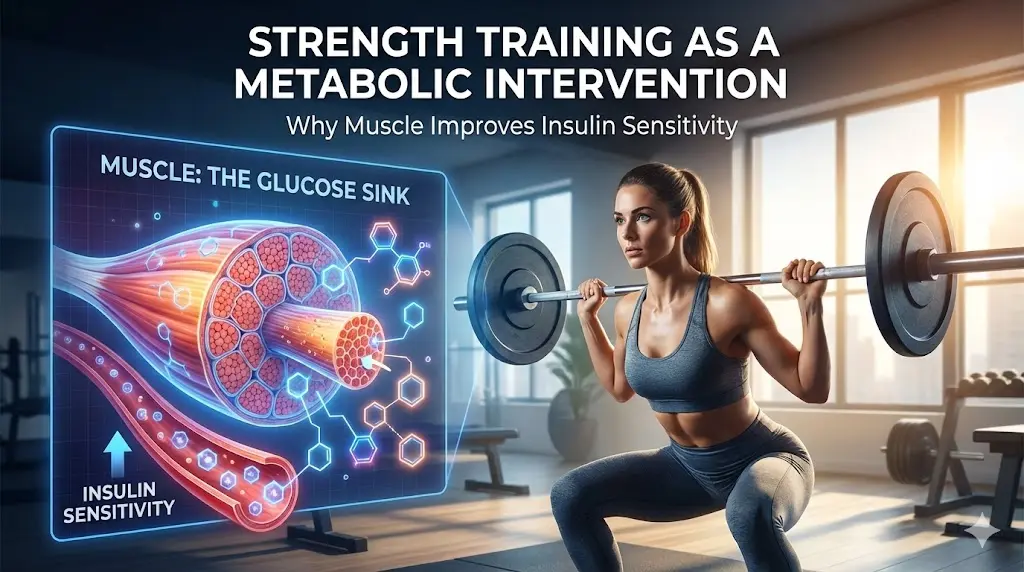
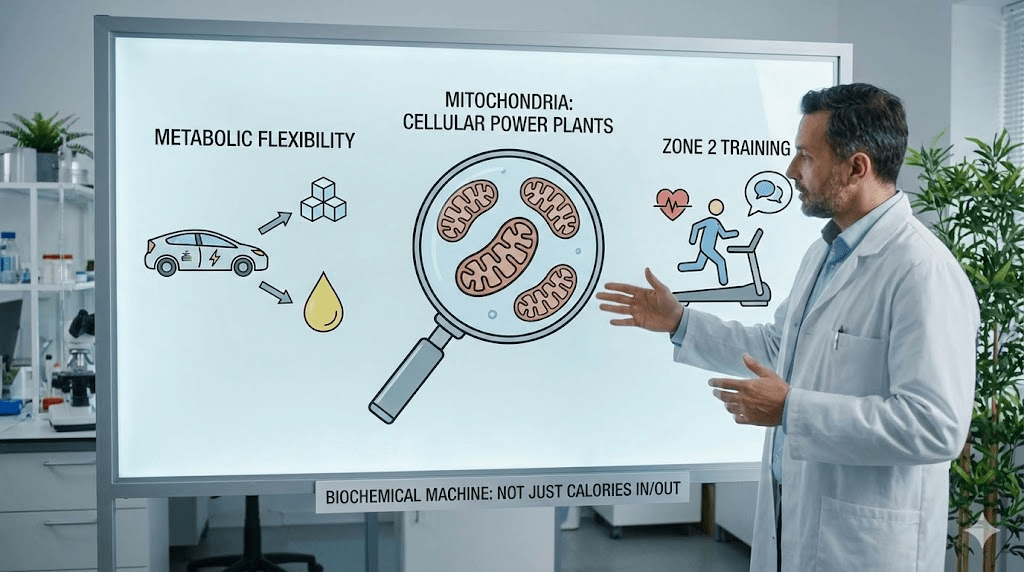
One of the reasons protein requirements are so high in 2026 is the growing understanding of muscle as a metabolic organ. Muscle is where we dispose of blood sugar and where we maintain our metabolic rate. However, to maintain muscle—especially as we age or face the stressors of modern life—we need a constant supply of high-quality protein. If we under-eat protein, our body enters a 'catabolic' state, breaking down muscle to keep the heart and brain running. This leads to a slower metabolism, which in turn makes us even more prone to weight gain, creating a vicious cycle of muscle loss and fat gain known as sarcopenic obesity.
By prioritizing 'Protein Leverage,' we are essentially protecting our metabolic engine. When we hit our protein target early in the day, we signal to the body that it is in an environment of abundance. This allows the nervous system to shift from a 'survival/storage' mode into a 'thriving/burning' mode. This is the ultimate metabolic secret: satiety is the foundation of a high-functioning metabolism.
The most effective 'hunger suppressant' on the planet is a high-protein breakfast. It sets the metabolic tone for the entire 24-hour cycle.
Practical 2026 Strategies: Using Protein to Your Advantage
So, how do we implement this knowledge without falling into the trap of obsessive tracking or 'diet culture'? The goal is to move toward Protein Density—choosing foods that provide the most amino acids per calorie. In 2026, we focus on the 'Protein-to-Energy' (P:E) ratio. Here is how to apply the Protein Leverage Hypothesis to your daily life:
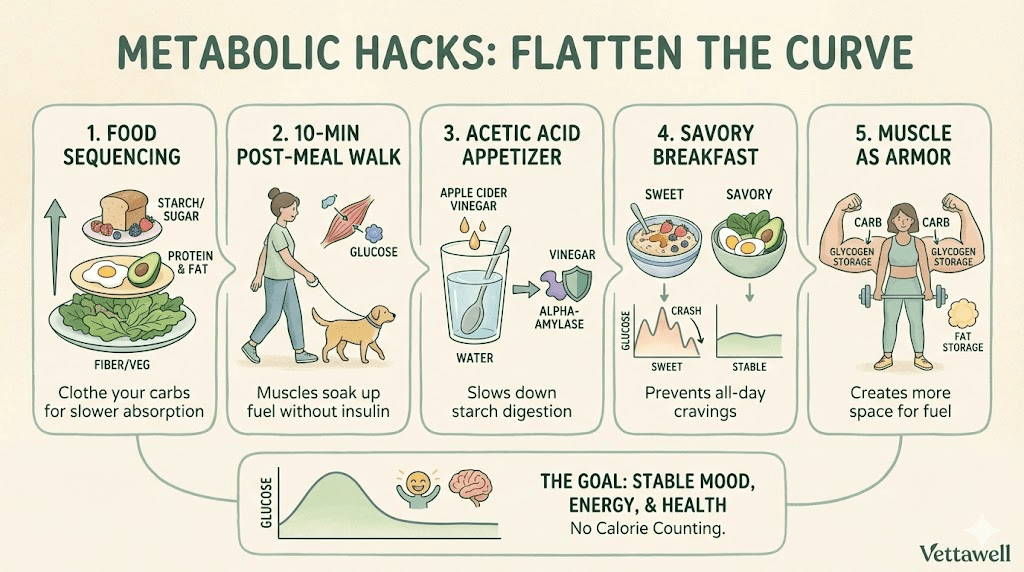
- The 30/30/30 Rule: Aim for 30 grams of protein within 30 minutes of waking up. This 'anchors' your protein sensor and prevents the mid-afternoon sugar cravings that are actually just cries for amino acids.
- Prioritize Whole Food Sources: While protein powders have their place in 2026, whole food sources like wild-caught fish, pasture-raised eggs, and grass-fed meats provide additional micronutrients that further support satiety signaling.
- Front-Load Your Protein: Eat the protein on your plate first. This triggers the satiety hormones CCK and GLP-1 before you even touch the carbohydrates, making it naturally easier to stop eating when you are truly full.
- Beware of the 'Healthy' UPF: Many 'protein bars' in 2026 are actually just candy bars with added soy isolate. Check the P:E ratio. If a bar has 10g of protein but 300 calories, it's a 'diluted' source that won't help you leverage your hunger.
- Track Protein, Not Calories: If you hit your protein target (usually 1.2g to 1.6g per kilogram of body weight), the rest of your calories tend to take care of themselves because your hunger signal is finally functioning correctly.
The New Age Perspective: Satiety as Empowerment
In the New Age of health, we are moving away from the idea that we are at war with our bodies. The struggle with hunger isn't a battle to be won with grit; it's a communication gap to be bridged with nutrition. When you understand Protein Leverage, you stop seeing hunger as an enemy and start seeing it as a request. Your body is asking for the building blocks of life. When you provide them, the body rewards you with mental clarity, steady energy, and a calm, quiet appetite.
Metabolic health in 2026 is about reclaiming our biological default state. We were designed to be satiated. We were designed to have energy. By focusing on protein density and understanding the leverage our body uses against us, we can finally stop the cycle of 'winning' and 'losing' and start living in a state of metabolic harmony. The scale will follow the lead of your satiety signals. When you nourish the cells, the body lets go of the excess.
Final Verdict
If hunger is currently winning your daily battle, stop looking at your willpower and start looking at your plate. Are you providing the lumber for your biological house? Or are you just throwing more gasoline on a fire that is already out of control? Protein leverage is the biological key to the vault. Turn it, and the door to effortless metabolic health finally swings open.