
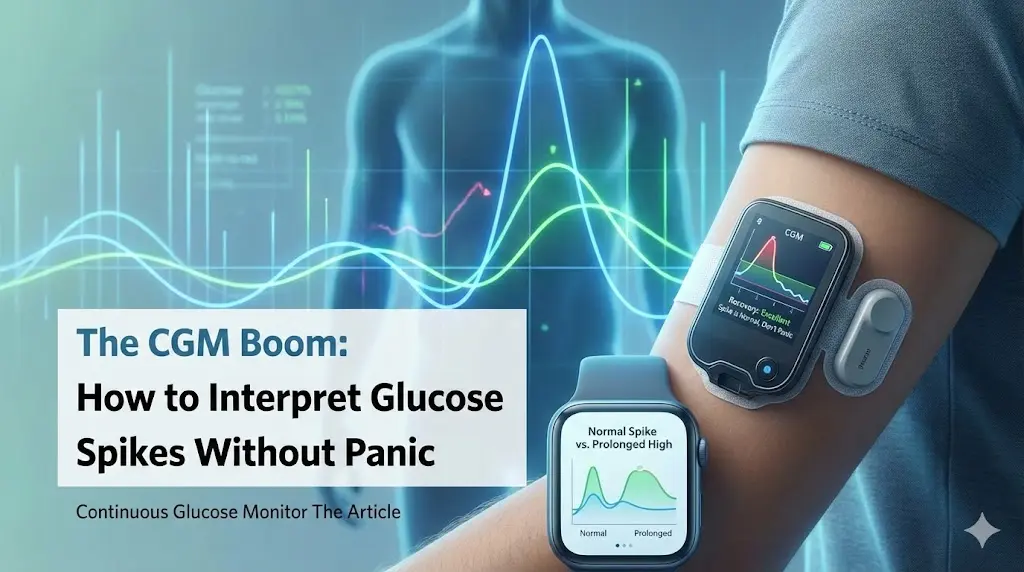
Welcome to 2026, where the 'quantified self' movement has officially entered the mainstream. No longer are Continuous Glucose Monitors (CGMs) reserved for those managing Type 1 or Type 2 diabetes. Today, these small, circular patches are worn by athletes, bio-hackers, and health-conscious individuals alike, all seeking the 'Holy Grail' of wellness: metabolic flexibility. The boom has been fueled by a collective desire to peek behind the curtain of our own biology, moving beyond the static data of an annual blood draw and into the dynamic, real-time world of interstitial fluid monitoring.
However, with this flood of data comes a new psychological phenomenon: glucose anxiety. For the uninitiated, seeing a sharp upward line on a smartphone app after eating a bowl of oatmeal can feel like an emergency. We have been conditioned by social media 'health gurus' to believe that any rise in blood sugar is a step toward chronic disease. But as we navigate the nuances of metabolic health in this modern era, we must learn to distinguish between a healthy biological response and a signal of dysfunction. Interpreting your CGM data requires more than just looking at the peaks; it requires an understanding of context, recovery, and the inherent variability of the human machine.
The Technology Behind the Trend
To understand the data, we must first understand the tool. A CGM doesn't actually measure blood glucose; it measures the glucose concentration in the interstitial fluid—the fluid surrounding your cells. Because of this, there is often a 'lag time' of 5 to 15 minutes between what is happening in your arteries and what is showing up on your sensor. In 2026, the sensors have become incredibly sophisticated, utilizing silver-based filaments and enzyme-coated electrodes that provide nearly pinpoint accuracy compared to the rudimentary devices of a decade ago.
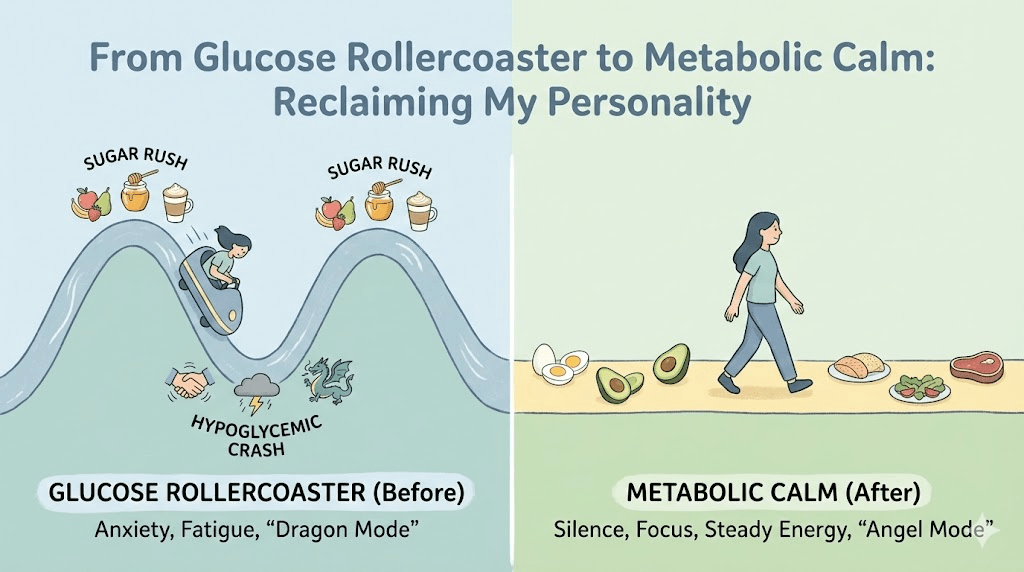
The true value of the CGM isn't in a single data point. It is in the trend. In the past, we relied on Hemoglobin A1c (HbA1c), which gave us a three-month average. The problem with averages is that they hide the 'rollercoaster.' You could have a 'perfect' A1c but spend your days swinging between dangerous highs and lows. The CGM reveals the glycemic variability—the true measure of how hard your pancreas and insulin receptors are working to maintain homeostasis. In the New Age of medicine, we are focusing on the smoothness of the curve rather than the static nature of the average.
The Anatomy of a Glucose Spike
When you ingest carbohydrates, they are broken down into glucose and released into the bloodstream. Your pancreas senses this rise and secretes insulin, which acts as a key to let glucose into your cells for energy. This is a vital, life-sustaining process. A 'spike' is simply the temporary elevation of sugar levels as your body processes fuel. Without these spikes, you wouldn't have the energy to think, move, or breathe.
The panic usually sets in when a user sees a number like 160 mg/dL or 180 mg/dL. In a clinical setting, these might be high, but in a healthy individual after a high-carb meal, they are often transient and normal. The danger doesn't lie in the peak itself, but in the 'Area Under the Curve' (AUC) and the time it takes to return to baseline. A healthy metabolism is defined by its ability to bring that number back down within two hours. If you are still elevated at 150 mg/dL three hours after eating, that is a signal of insulin resistance. If you spike and then glide back down, your body is doing exactly what it was designed to do.
One of the biggest misconceptions in the bio-hacking community is that a 'flat line' on your CGM is the ultimate goal. Social media is littered with 'glucose hacks' designed to keep your sugar levels perfectly steady 24/7. However, a perfectly flat line can sometimes indicate a lack of metabolic flexibility. Your body is designed to use glucose; it is designed to flux. Forcing a flat line through extreme carb restriction or over-medication can lead to other hormonal issues, particularly in women, whose endocrine systems rely on glucose signals to regulate fertility and thyroid function.
- Normal Spikes: Occur after balanced meals and return to baseline within 2 hours.
- Exercise Spikes: Occur during high-intensity interval training (HIIT) as the liver releases stored sugar for quick energy.
- Stress Spikes: Caused by cortisol and adrenaline triggering a glucose dump for a 'fight or flight' response.
- Dawn Phenomenon: A natural rise in the early morning as the body prepares for wakefulness.
Context is Everything: Non-Food Spikes
The most common reason for 'CGM panic' is seeing a spike when you haven't eaten a single gram of sugar. In 2026, we are finally educating the public on the role of the liver in glucose management. Your liver is essentially a glucose warehouse. When you engage in high-intensity exercise, your body doesn't have time to digest food for energy, so the liver dumps glucose into the blood. Seeing your levels hit 170 mg/dL during a sprint is not a sign of diabetes; it is a sign of an athletic, efficient liver providing the fuel your muscles demand.
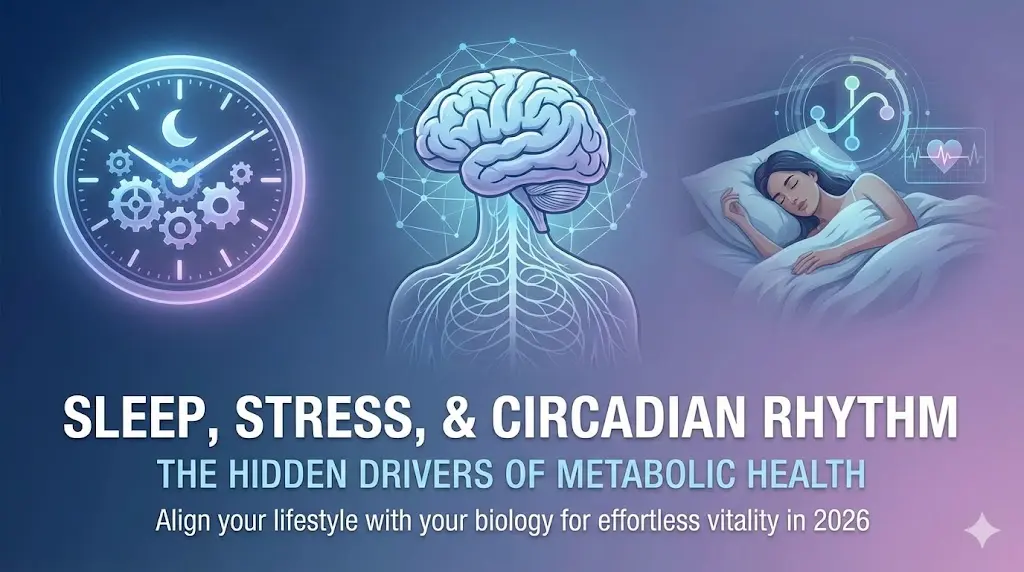
Stress and lack of sleep are the silent drivers of the CGM graph. When you are sleep-deprived, your cells become temporarily insulin-resistant. A meal that caused a small bump yesterday might cause a significant spike today simply because you only got five hours of sleep. Similarly, a stressful work meeting or a fight with a spouse can trigger a cortisol cascade that pushes your glucose up. If you see a spike during a fast, look at your stress levels before you blame your metabolism. The CGM is as much a stress monitor as it is a sugar monitor.
Data without context is just noise. Your glucose levels are a conversation between your diet, your movement, your stress, and your sleep.
Strategies for Metabolic Mastery
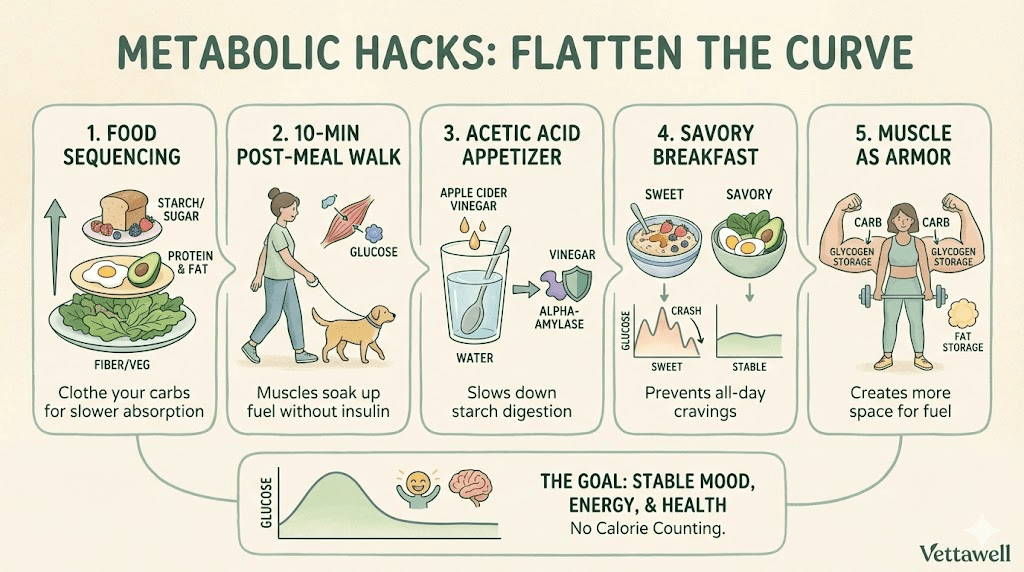
Once we move past the panic, we can use CGM data to make strategic lifestyle changes. In 2026, we focus on 'food sequencing' and 'glucose buffering' rather than total elimination. We have learned that the order in which you eat your food changes the shape of the glucose curve. By eating fiber (veggies) first, followed by proteins and fats, and leaving carbohydrates for the end of the meal, you slow down gastric emptying. The glucose enters the blood more slowly, preventing the steep mountain peak and replacing it with a gentle, rolling hill.
Another powerful tool is the 'glucose walk.' Utilizing your muscles immediately after a meal allows them to soak up glucose without requiring a massive surge of insulin. A 10-minute walk post-dinner can be more effective at managing a spike than any supplement on the market. In the New Age of health, we use movement as a pharmaceutical-grade intervention to manage our internal state.
The current generation of CGM apps now includes Agentic AI that provides real-time coaching. Instead of just showing you a number, the AI analyzes your previous patterns. It might say, 'Hey, you spiked to 165 after that sourdough, but you were back to 95 in 70 minutes. That’s a 10/10 recovery score.' This contextual feedback is the 'Circuit Breaker' for glucose anxiety. It teaches the user that the body is resilient and that the goal is recovery, not perfection.
The Psychological Pitfall: Data-Driven Orthorexia
We must address the dark side of the CGM boom. For some, the constant stream of data leads to a form of orthorexia—an obsession with 'clean' eating and 'perfect' graphs. People begin to fear food, avoiding even healthy carbohydrates like berries or sweet potatoes because they 'move the needle.' This fear-based living is antithetical to true health. High stress about a glucose spike can actually cause a glucose spike, creating a vicious cycle of metabolic and mental distress.
True health educator Priya Nandakumar emphasizes that the CGM should be a 'teacher,' not a 'warden.' Use it for a few weeks to learn how different foods affect you, then take it off. Build an intuitive connection with your body. Learn to feel when your blood sugar is dropping or when you are in a state of 'flow.' The ultimate goal of wearable tech in 2026 is to eventually make the tech unnecessary by teaching the user the language of their own nervous system.
Conclusion: From Monitoring to Mastering
The boom in Continuous Glucose Monitoring represents a fundamental shift in how we approach human health. We are moving away from reactive medicine and toward proactive, personalized mastery. When you see a spike on your graph, don't panic. Look at the meal you ate, the sleep you had, and the movement you did. Check your recovery time. Recognize that your body is a dynamic system capable of handling flux.
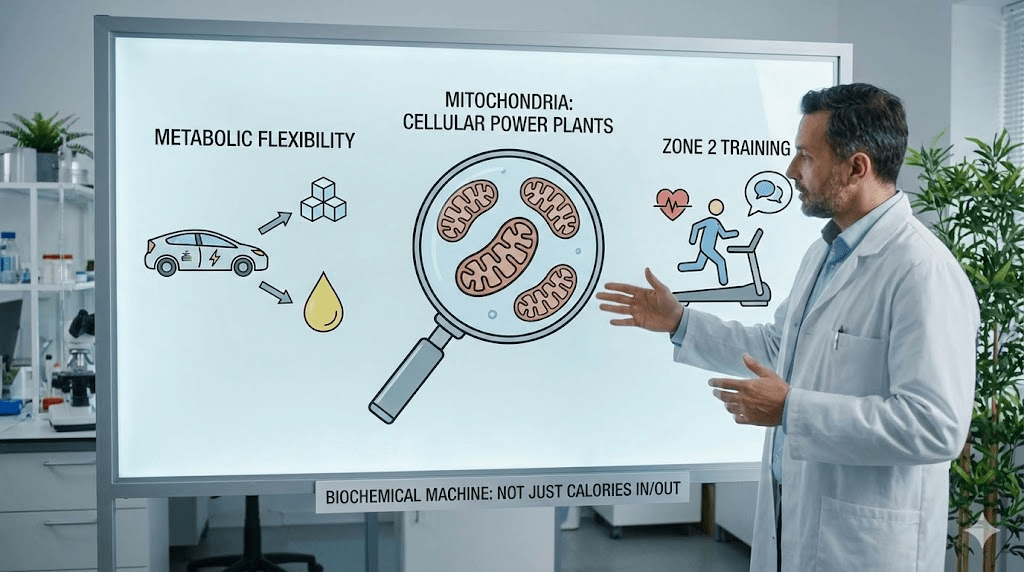
In the New Age of metabolic health, the metric of success is flexibility. Can your body burn fat? Can it burn sugar? Can it recover from a celebration? Your CGM is a tool to help you answer these questions, but it is not the final judge of your health. Use the data to empower your choices, lower your stress, and find a sustainable path to vitality that doesn't involve fearing your own plate. Abundance, after all, includes the freedom to enjoy life's sweetness without being a slave to the graph.