Priya Nair spent the first chapter of her career in mainstream health journalism — covering pharmaceutical policy, clinical research, and the full spectrum of fitness and wellness trends for major publications. She was good at it. But it wasn't until her own body became the story that her work found its real direction.
The Turning Point
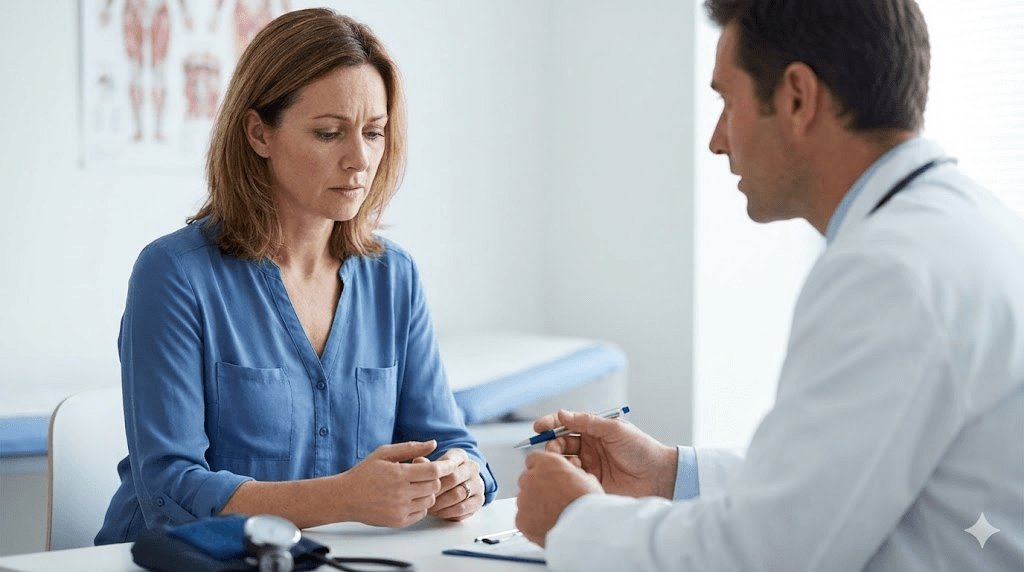
In her late 30s, Priya began experiencing symptoms she couldn't explain: disrupted sleep, mood shifts, metabolic changes, cognitive fog. Over the course of two years, she saw three separate physicians. None of them identified what was happening. It was perimenopause — a hormonal transition that can begin a decade before menopause and that affects nearly every system in the body. It had gone unrecognized not because it was rare, but because the clinical and media infrastructure around women's hormonal health was, and in many ways remains, inadequate.
What followed was a period of intensive self-directed research that changed the trajectory of her career entirely. She didn't find a gap in the literature so much as a canyon: women's hormonal health across the full life cycle was dramatically under-researched, under-taught in medical education, and consequently under-served in both clinical settings and the health media that most women rely on for guidance.
"I spent two years being told my symptoms were 'just stress' or 'just hormones' — as if hormones weren't the most powerful chemical messengers in the body. That experience is why I write what I write."
The Work That Followed
Since that pivot, Priya has dedicated her writing entirely to closing that gap. She holds an advanced certification in women's hormonal health coaching and has worked alongside gynecologists, endocrinologists, and integrative medicine practitioners to ensure her content reflects current clinical thinking — while remaining genuinely accessible to readers who are not specialists and should not have to become specialists to understand their own bodies.
Her areas of expertise include:
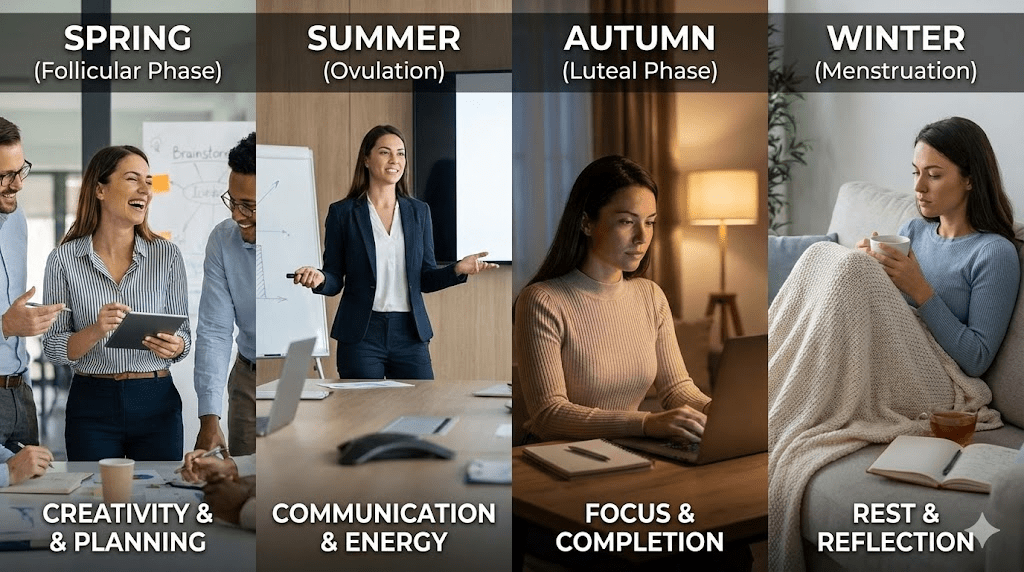
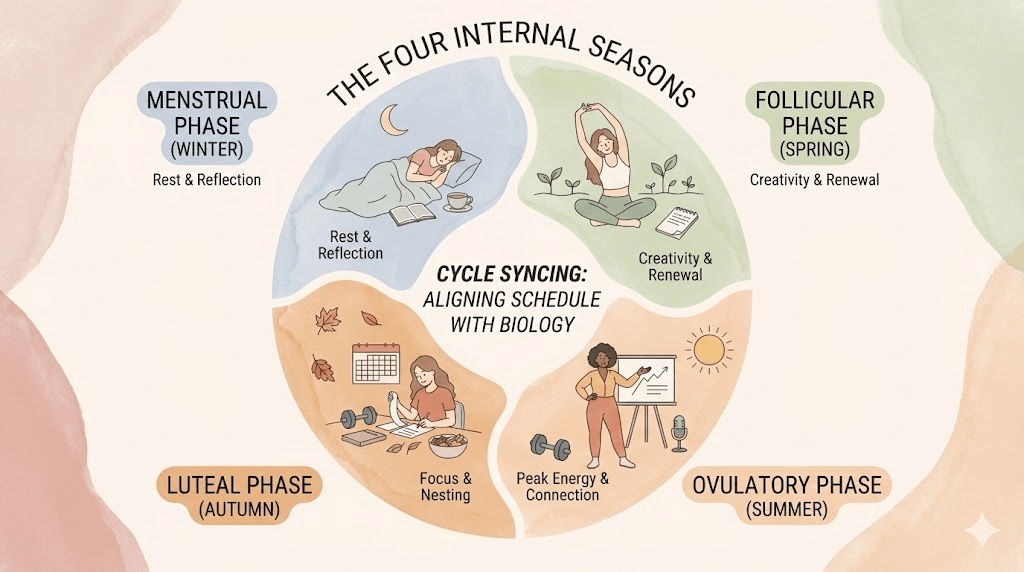
- The menstrual cycle as a systemic signal — how hormonal fluctuations across the cycle affect energy, mood, metabolism, cognitive function, and athletic performance, and how to work with those patterns rather than against them.
- Perimenopause and menopause — the full hormonal transition, including symptoms that are frequently missed or misattributed, evidence-based management options, and what to expect across a decade of change.
- Hormonal contraception — its downstream effects on mood, libido, nutrient status, and long-term hormonal balance, and how to make informed decisions with complete information.
- Postpartum recovery — the hormonal, nutritional, and psychological dimensions of recovery after birth, including the conditions that are routinely normalized rather than treated.
- Female-specific nutrition — how nutrient needs shift across life stages, including iron, magnesium, calcium, omega-3s, and protein, and why research conducted primarily on male subjects has left women with incomplete guidance.
How She Writes
Priya's writing is known for three qualities that are rarer in health journalism than they should be: warmth, clinical precision, and a refusal to either minimize or over-medicalize normal female experience. She does not write for an imagined reader who needs to be protected from complexity. She writes for women who are intelligent, who have been paying attention to their own bodies for years, and who have repeatedly been given explanations that did not match what they were experiencing.
Her readers come to her work because they want real explanations — not reassurance. They want to understand the mechanism behind their symptoms, the current state of the evidence, and the actual range of options available to them. Many of them have spent years being dismissed. Priya writes as someone who has been there, and who has done the work to understand what was actually happening.
Beyond the Page
Priya contributes to several major health and women's interest publications, speaks regularly at women's health conferences across Europe and North America, and runs a widely-read newsletter dedicated to female hormonal health — covering emerging research, clinical controversies, and the practical implications of both for everyday life.
She is based in London and is the mother of two daughters, for whom she hopes the information landscape around their own hormonal health will look very different by the time they need it.