Jordan Ashby did not arrive at sleep science through academic curiosity. They arrived through years of overtraining, chronic fatigue, and a performance plateau that refused to respond to more coaching, more supplementation, or more willpower. The wall, when it finally became impossible to ignore, turned out to be made of something most athletes never fully account for: the systematic neglect of recovery as a discipline in its own right.
The Long Way Around
As a competitive endurance athlete through their twenties, Jordan accumulated what they now describe as a comprehensive education in what happens when you treat sleep and recovery as optional — injuries that wouldn't resolve, burnout cycles that came faster and lasted longer, and a growing gap between the effort going in and the adaptation coming out. Eventually, the pattern forced a complete re-evaluation.
What followed was not a quick pivot but a years-long immersion: circadian biology, sleep architecture and its staging dynamics, heart rate variability monitoring, the emerging field of recovery periodization, and the specific hormonal and metabolic cascades that determine whether training stress becomes adaptation or damage. Jordan completed certifications in sleep health coaching and human performance optimization, then spent three years consulting with amateur and semi-professional athletes on recovery protocols — translating the science into practical systems that could survive contact with real training schedules and real lives.
"Sleep is not the absence of wakefulness. It's the most metabolically active, hormonally complex, and neurologically productive phase of your entire day. Everything else runs downstream from it."
The Framework: Recovery as Infrastructure
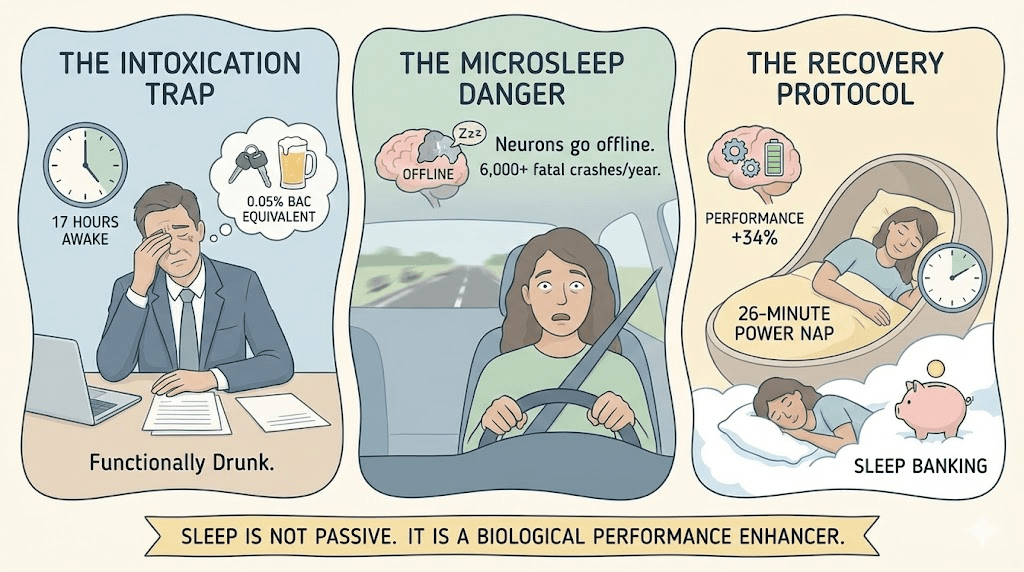
Jordan's approach is fundamentally systems-based, and it begins with a single reframe: sleep is not a passive state you fall into at the end of the day. It is the biological process on which everything else depends — training adaptation, fat metabolism, cognitive function, emotional regulation, immune competence, hormonal balance. When sleep is compromised, every other intervention becomes less effective. When sleep is optimized, other interventions compound.
This is not a philosophy Jordan arrived at theoretically. It is a conclusion drawn from the experience of watching their own performance collapse under the weight of chronic under-recovery, and then watching it rebuild when sleep became the non-negotiable anchor of the training week.
What Jordan Writes About
As a writer, Jordan is known for making sleep science genuinely accessible without diluting its complexity. The work is mechanistically dense — because mechanisms matter, because understanding why something works changes how reliably you do it — but written with the clarity of someone who has lived the consequences of ignoring the science, not just studied it.
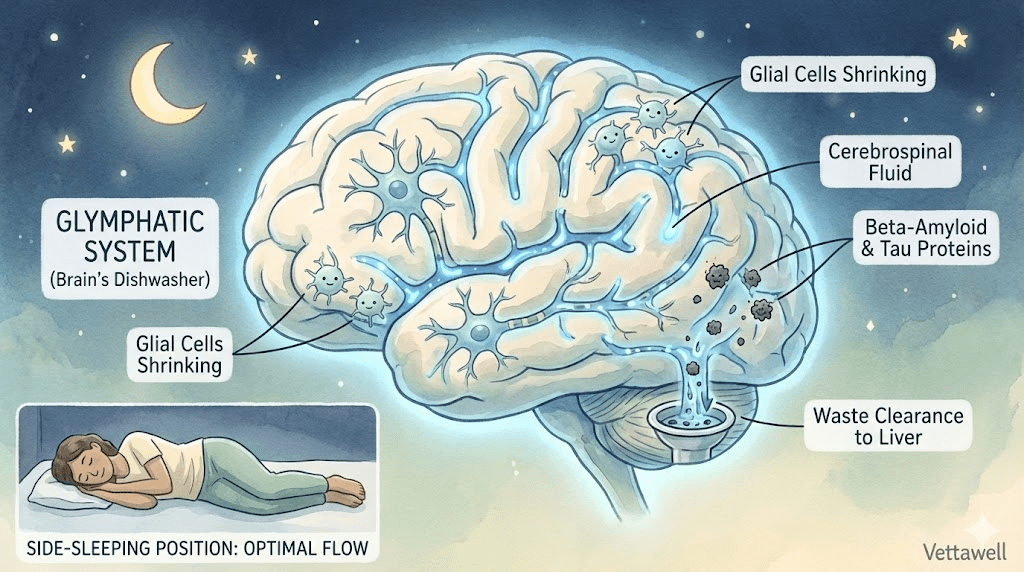
- Sleep staging and metabolic effects — how the architecture of a night's sleep (NREM stages, slow-wave sleep, REM distribution) determines hormonal output, muscle repair, memory consolidation, and glucose regulation, and what disrupts each stage.
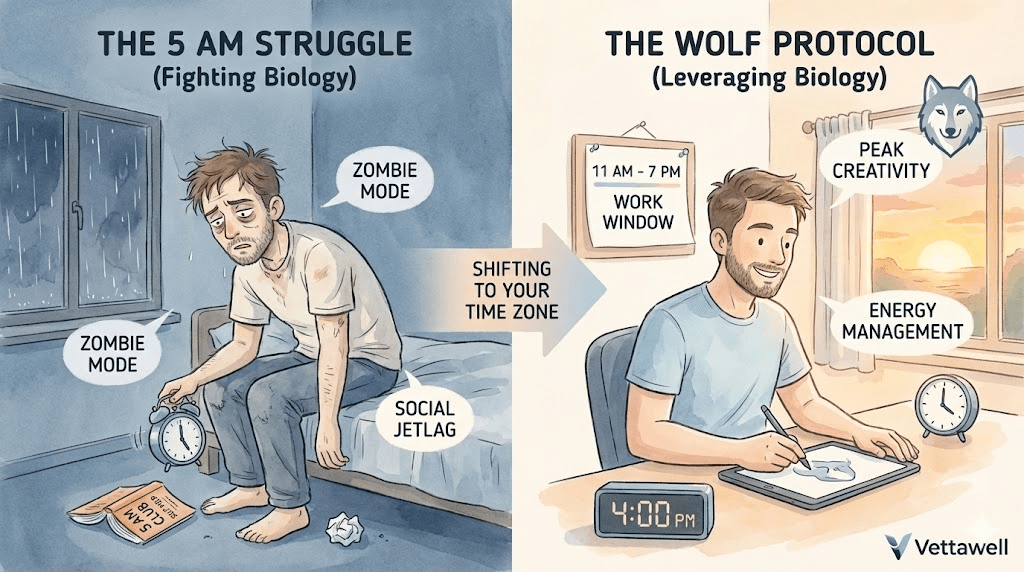
- Chronotype-based scheduling — how individual circadian phenotype affects optimal training times, meal timing, cognitive peak windows, and the specific costs of working against your biological clock over time.
- Hormonal consequences of sleep deprivation — the cascade effects of even moderate sleep restriction on cortisol, testosterone, growth hormone, leptin, ghrelin, and insulin sensitivity, and why these matter far beyond athletic performance.
- Recovery environment design — the practical architecture of a sleep environment that supports deep, restorative sleep: light management, temperature, sound, device protocols, and pre-sleep routine design.
- Light exposure and circadian entrainment — morning light, evening light suppression, and the specific mechanisms through which light signals set the master clock and downstream hormonal timing.
- Breath work and nervous system regulation — evidence-based protocols for shifting autonomic state, reducing pre-sleep arousal, and improving HRV as a proxy for recovery readiness.
- Cold therapy — the science of cold exposure for recovery, inflammation management, and nervous system adaptation, including what the evidence actually supports versus what is overstated.
The Long Game
The thread running through all of Jordan's work is time horizon. The habits that produce sustainable high-level functioning — in athletic performance, cognitive output, metabolic health, and emotional resilience — are not the ones that feel dramatic in the short term. They are the ones that compound quietly over months and years. Sleep is the most powerful of them. It is also the most frequently sacrificed and the most poorly understood.
Jordan writes for people who are ready to take recovery as seriously as they take training — athletes, high performers, and anyone who has noticed that the harder they push without adequate recovery, the less they actually get back.