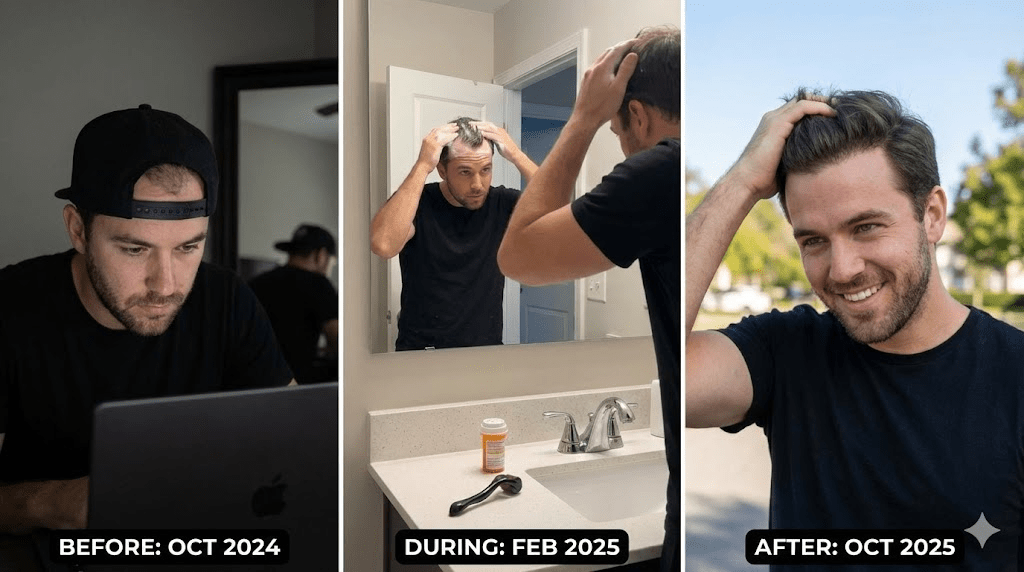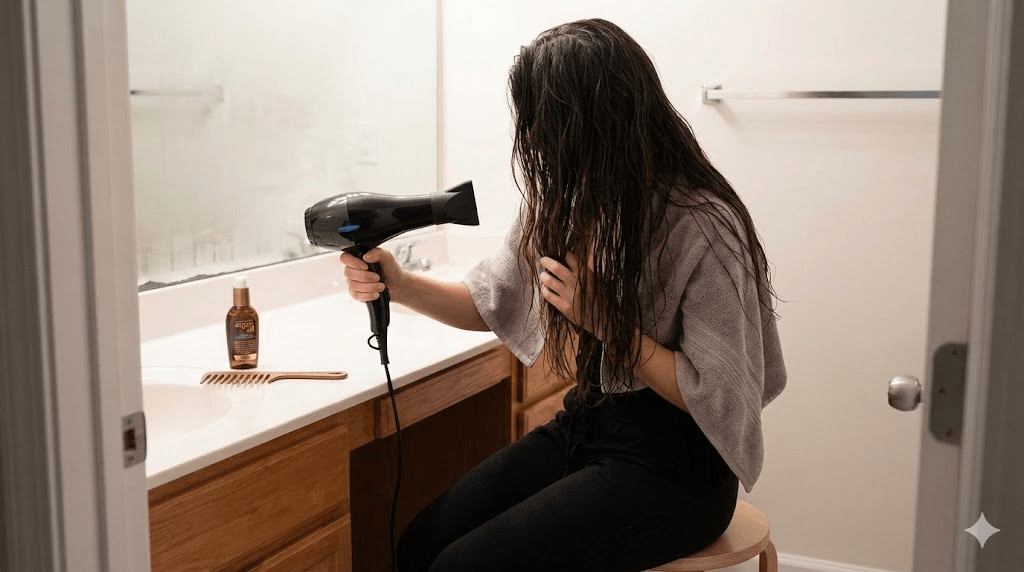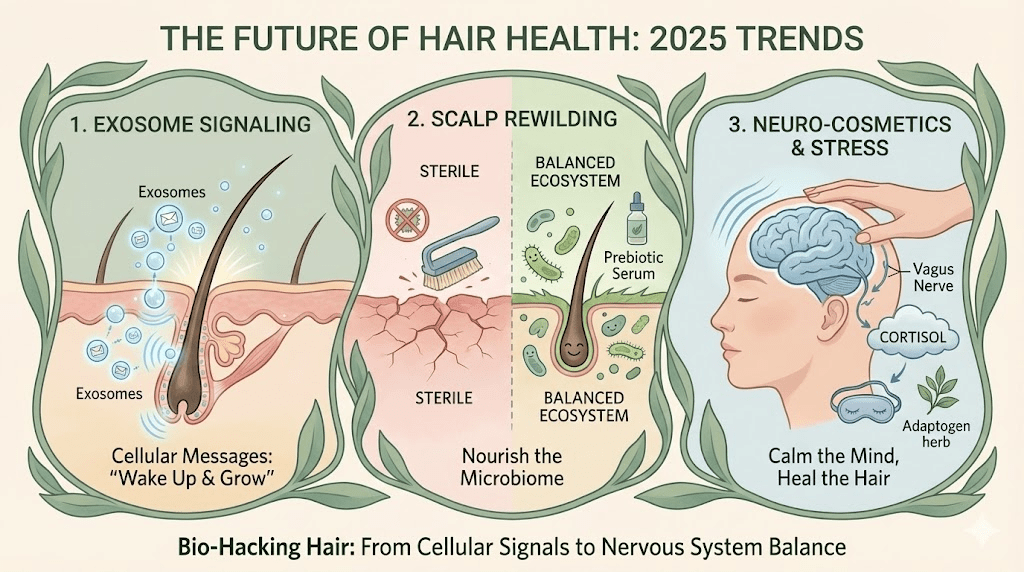


Modern haircare is packaged like tech: proprietary complexes, glossy claims, and a price tag that signals “this must work.” But hair is biology and materials science. The strand is a protein fiber wrapped in cuticle “shingles,” and the scalp is living skin with its own microbiome and inflammation triggers. Many old-school rituals work because they target simple levers: reduce irritation, improve slip (less friction), balance pH, and support the follicle environment—consistently, not dramatically.
The best hair routine is rarely the fanciest. It’s the one you can repeat calmly for 8–12 weeks.
Key takeaways
- Kitchen rituals work when they reduce friction + inflammation and protect the hair fiber while it grows.
- Think in cycles: scalp changes can show up in weeks, but density and length changes take months.
- DIY is powerful only when it’s hygienic, diluted correctly, and used consistently—not as a daily experiment.
- If you have sudden shedding, scalp pain, or patchy loss, DIY is not the first stop—get medical guidance.
Why “simple” can outperform luxury
Most hair breakage is mechanical: wet hair swells, cuticles lift, and friction (towels, pillowcases, aggressive brushing) turns into micro-cracks. Meanwhile, many scalp problems are inflammatory: irritation, dandruff/yeast imbalance, tight hairstyles, and stress-related tension. Grandma-style methods often address these fundamentals: close the cuticle (acid rinse), reduce buildup (gentle exfoliation), increase slip (oil seal), and support the follicle environment (rosemary / massage).
No kitchen ingredient can override genetics. What DIY can do is improve the conditions for growth: calmer scalp, fewer broken ends, and better hair retention. Some small studies suggest rosemary oil may help certain people with hair thinning, but results vary and irritation is possible—treat it as a support tool, not a guarantee.
Ritual 1: “Nature’s Minoxidil” Rosemary Water (root support)
Rosemary is popular because it’s accessible and tends to feel “clean” compared to heavy tonics. The goal is not to drench the scalp; it’s to create a gentle daily routine that pairs well with massage and good scalp hygiene.
- Fresh option: 3–5 sprigs rosemary + 2 cups water.
- Dried option: 1–2 tablespoons dried rosemary + 2 cups water.
Bring water to a boil, reduce to a simmer for 15–20 minutes until the liquid turns amber. Cool completely, strain, and pour into a clean spray bottle.
- Patch test first: apply a small amount behind the ear or on the inner arm, wait 24 hours.
- Spray onto the scalp (not the lengths) 1x/day or 3–5x/week, then massage for 60 seconds.
- Keep in the refrigerator; discard after 5–7 days (fresh botanicals can spoil).
If your scalp stings or flakes more, it’s not “detox”—it’s irritation. Pause and simplify.
Ritual 2: Vinegar Rinse (mirror shine + cuticle sealing)
Hard water and alkaline residues can make hair dull and rough. A mild acidic rinse helps the cuticle lie flatter, which improves shine, softness, and detangling—especially for porous or color-treated hair.
- 1 tablespoon apple cider vinegar (with the “mother”)
- 1 liter cool water (or 1 quart)
After rinsing out conditioner, pour the mixture over mid-lengths and ends first, then lightly over the scalp if tolerated. Leave it in—any smell typically dissipates as hair dries. Use 1x/week (2x/week if you have very hard water, then reassess).
- If you color your hair: keep the solution mild (don’t increase vinegar).
- If you have eczema/psoriasis: avoid scalp application unless your clinician approves.
Ritual 3: Rice Water (strength + slip—use sparingly)
Rice water is famous because it can make hair feel instantly smoother. That “coating” can reduce friction and breakage, but too much can leave hair stiff or crunchy—especially if your hair is already protein-sensitive.
Rinse 1/2 cup rice. Cover with 2 cups water and let sit 30–60 minutes until cloudy. Strain and use the water.
- Apply after shampooing; leave 5–10 minutes, then rinse thoroughly.
- Use no more than 1x/week (start with every other week if hair is fine or brittle).
- If hair feels rigid, reduce frequency and follow with conditioner.
Strength isn’t only “more protein.” Sometimes it’s simply less friction and better moisture balance.
Ritual 4: Salt Scalp Scrub (buildup reset—gentle, not aggressive)
When follicles are surrounded by thick buildup—dry shampoo, heavy oils, styling polymers—hair can look flatter and the scalp can feel itchy. A gentle scrub can reset the surface, but harsh grains can scratch and inflame. The rule: fine grains, light pressure, rare use.
- 2 teaspoons fine sea salt (avoid coarse crystals)
- A dollop of your regular shampoo
- Mix in your palm right before washing.
- Apply to wet scalp only; massage with fingertips for 60–120 seconds (no nails).
- Rinse thoroughly and condition as normal.
Frequency: every 2–4 weeks. If you have an inflamed scalp, skip this and focus on gentle cleansing instead.
Ritual 5: The “Pineapple” + friction shield (overnight breakage prevention)
Length retention is often the missing piece. Many people “can’t grow hair,” but what’s really happening is that new growth is being snapped off by nightly friction, rough elastics, and tangles.
- Gather hair into a very high, very loose ponytail on top of the head.
- Use a silk scrunchie or a spiral tie—never a tight elastic.
- If your hair tangles easily, add a satin pillowcase or sleep bonnet.
You’ll wake up with less knotting at the nape, more root volume, and fewer mid-shaft breaks over time.
Build a 4-week “grandma” plan (without chaos)
The biggest DIY mistake is doing everything at once. Stack routines like you would strength training: start with fundamentals, add one variable, and track the response.
- Week 1: simplify washing + add the pineapple method nightly.
- Week 2: add vinegar rinse 1x/week for shine and detangling.
- Week 3: add rosemary water (3–5x/week) + 60-second scalp massage.
- Week 4: test rice water (1x) or a salt scrub (if buildup is an issue)—not both.
Safety and hygiene notes (non-negotiable)
- Store DIY liquids cold; discard quickly. If it smells “off,” it is off.
- Avoid essential oils directly on skin without dilution; irritation can worsen shedding.
- If you have active dandruff/itch, prioritize scalp calm first—then add growth rituals.
- Seek professional input for sudden shedding, pain, scabs, or patchy loss.
Practical next steps
- Reduce scalp irritation first: gentle cleansing and minimal harsh actives for 2–3 weeks.
- Pick one ritual that matches your main goal (shine, scalp calm, breakage reduction) and commit for 4 weeks.
- Protect hair fiber: minimize friction, heat, and prolonged wet time; use a microfiber towel and wide-tooth detangling.
- If hair loss is progressive, combine DIY with an evidence-based plan (e.g., dermatologist evaluation and targeted treatment).
Common pitfalls
- Switching methods weekly and never giving the hair cycle time to respond.
- Over-exfoliating the scalp (more scrubbing = more inflammation for many people).
- Treating the strand while ignoring scalp stress, tight hairstyles, and sleep.
- Chasing “growth hacks” while breakage is the real bottleneck.
Quick checklist
- Scalp feels calmer week-to-week (less itch/burn).
- Detangling is easier (less snapping).
- Hair looks shinier after wash day (cuticle is lying flatter).
- Routine is consistent for at least 4 weeks (8–12 is ideal).